What is Residential Plumbing?
Definition
Residential Plumbing is the installation, maintenance, and repair of water supply, drainage, and gas systems in homes and apartment buildings. It includes fixing leaks, unclogging drains, replacing pipes, and installing fixtures like taps and toilets to keep household plumbing systems working safely and efficiently.
TL;DR: Installation and repair of water, drainage, and gas systems in homes.
Key Takeaways About Residential Plumbing
- Covers water supply, drainage, heating, and gas systems in residential properties.
- Includes emergency repairs like burst pipes, blocked drains, and leaking taps.
- Requires licensed plumbers trained in building codes and safety standards.
- Preventative maintenance helps avoid costly emergency repairs and water damage.
- Essential for health, safety, and comfort in homes and apartments.
Reviewed using authoritative sources including Australian Standards for Plumbing and Drainage (AS/NZS 3500), Master Plumbers Association of Victoria.
Understanding Residential Plumbing: Definition and Context
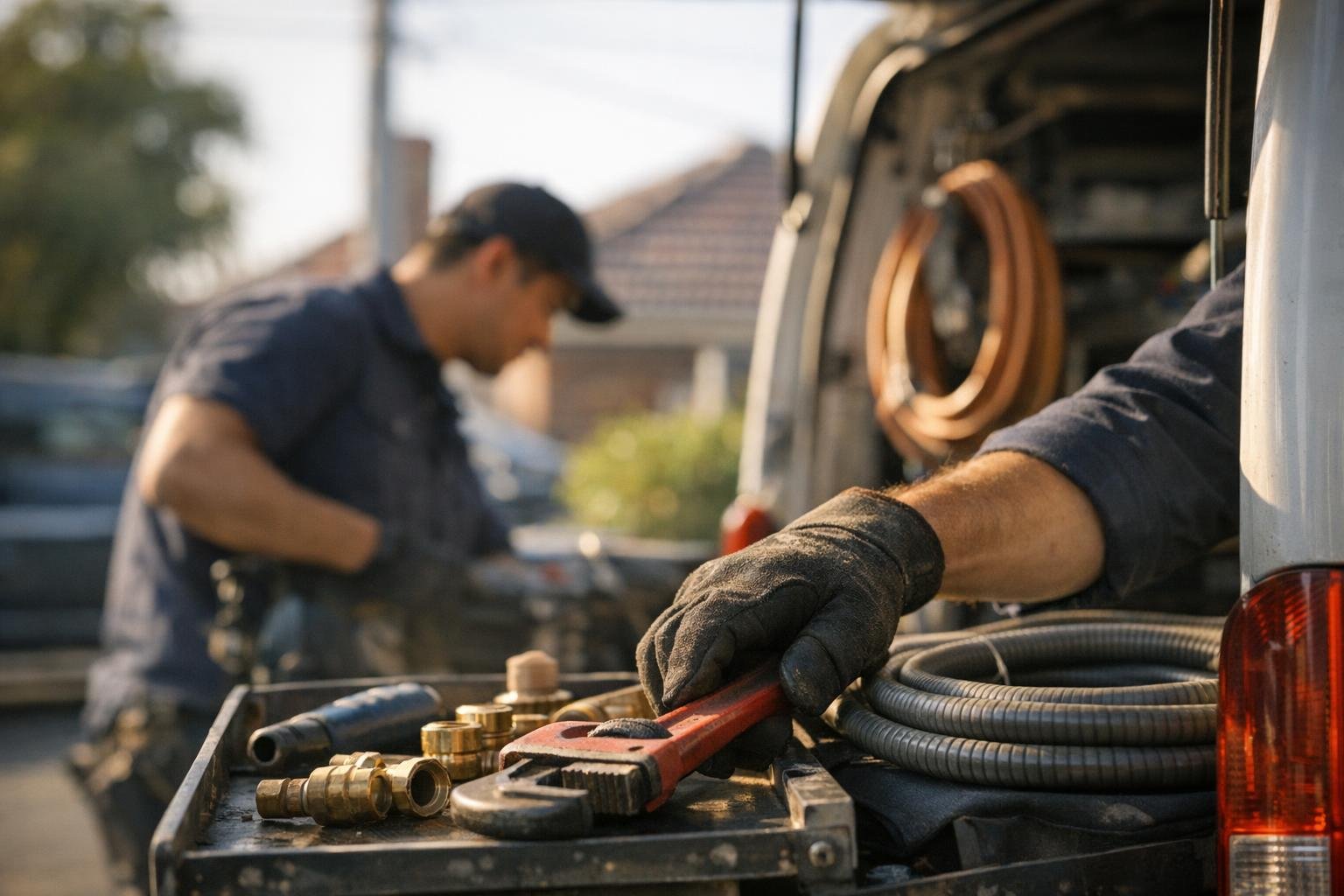
Residential Plumbing is the installation, maintenance, and repair of water supply, drainage, and gas systems in homes and apartment buildings. It includes fixing leaks, unclogging drains, replacing pipes, and installing fixtures like taps and toilets. These keep household plumbing systems working safely and efficiently.
Residential plumbing systems are complex networks. They bring clean water into homes. They safely remove wastewater and sewage. These systems must meet strict building codes and safety standards. This protects residents from contamination and water damage. Common residential plumbing work includes repairing burst pipes. It also includes clearing blocked drains. Other work fixes leaking taps. It replaces hot water systems. It installs new bathrooms or kitchens.
Commercial plumbing handles larger buildings and more complex systems. Residential plumbing focuses on single-family homes, townhouses, and small apartment buildings. Residential plumbers must diagnose problems quickly. They work in tight spaces. They provide solutions that fit homeowners' budgets and timelines.
Why Residential Plumbing Matters for Emergency Plumber Customers
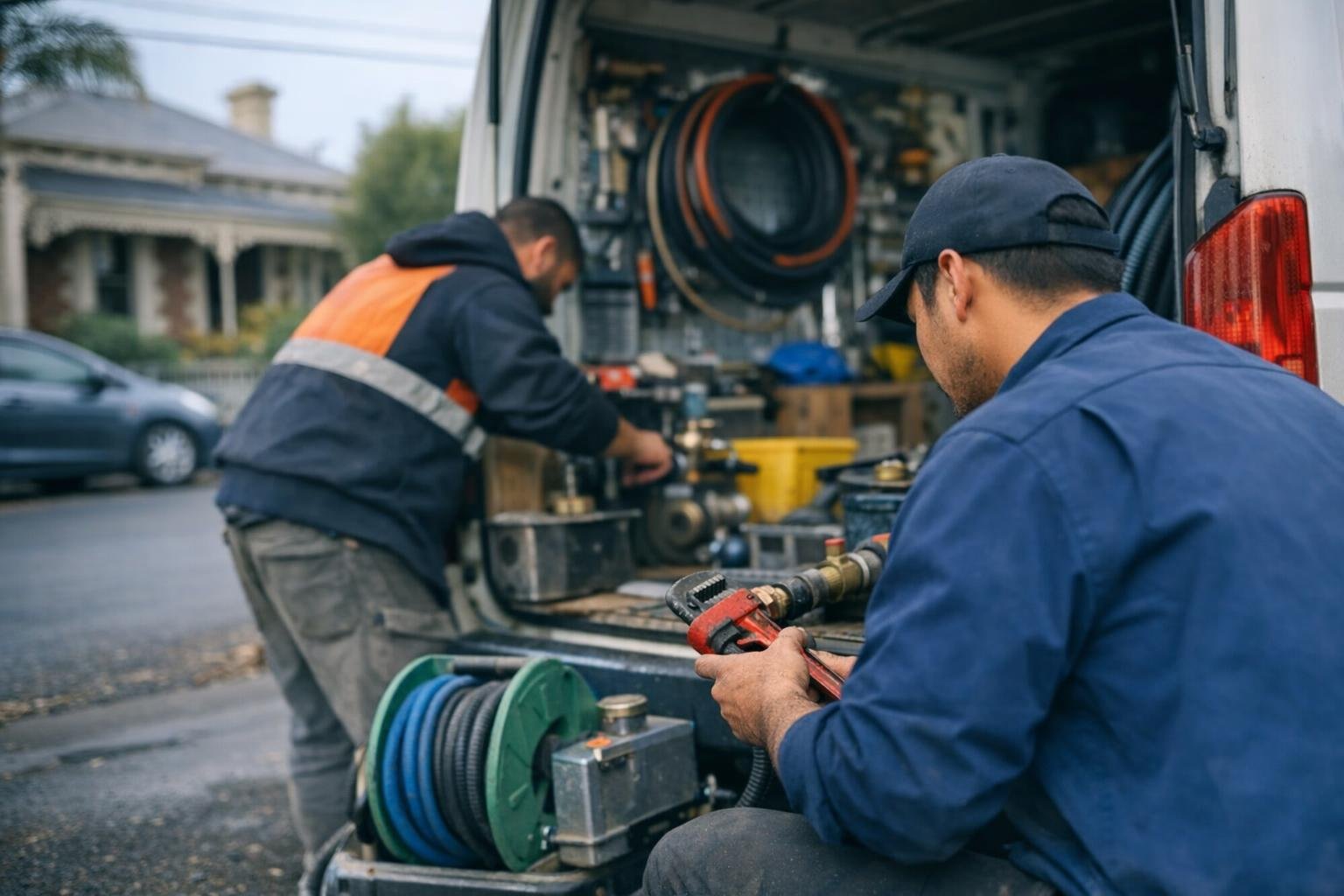
Plumbing problems can happen without warning. They cause serious damage to homes if not fixed quickly. A burst pipe can flood a house in minutes. A blocked toilet can make a bathroom unusable. A gas leak poses safety risks to families. Having reliable residential plumbing services helps homeowners get fast help. This prevents costly water damage. It keeps their families safe.
Regular maintenance and prompt repairs extend the life of plumbing systems. They also save money in the long run. When homeowners understand their plumbing needs, they can make informed decisions. They know when to call a professional. They avoid risky DIY fixes. These fixes might make problems worse.
How Residential Plumbing Fits Into Emergency Plumber Services in Melbourne
Emergency Plumber Melbourne specialises in residential plumbing emergencies across Melbourne, Victoria. We provide 24/7 response to urgent problems. These include burst pipes, blocked drains, and leaking taps. Our licensed plumbers diagnose issues quickly. We use modern tools like CCTV drain cameras. We also use pipe leak detection equipment. Then we provide fast, reliable repairs. All repairs meet local building codes.
Customers may need an emergency water shut off. They may need drain cleaning. They may need pipe replacement. They may need seasonal maintenance. Emergency Plumber Melbourne combines rapid response times with quality workmanship. We serve residential customers throughout Melbourne. We handle both emergency repairs and planned maintenance. We help homeowners protect their properties. We help them avoid future plumbing disasters.
Residential Plumbing in Practice: A Real-World Example
A homeowner in Fitzroy wakes up to water dripping from the ceiling—a sign of a burst pipe in the wall above. They call Emergency Plumber Melbourne at 2 a.m., and a plumber arrives within the hour. Using a pipe leak detector, the plumber finds the exact location of the burst, performs an emergency water shut off, and arranges a pipe replacement the next day to prevent further water damage to the home.
Sources & Further Reading on Residential Plumbing
- Australian Standards for Plumbing and Drainage (AS/NZS 3500)
- Master Plumbers Association of Victoria
- Victorian Building Authority — Plumbing Code of Practice
Emergency Plumber Services Related to Residential Plumbing
Terms Related to Residential Plumbing
Emergency Plumber
Emergency Plumber is a licensed plumbing professional who provides urgent repair and maintenance services outside standard business hours to address critical plumbing failures. These services include fixing burst pipes, clearing blocked drains, repairing leaks, and restoring water supply to prevent property damage and restore essential services quickly.
Burst Pipe
Burst Pipe is a plumbing failure where a water pipe cracks or ruptures, causing water to leak uncontrollably into walls, floors, or surrounding areas. This emergency requires immediate professional attention to prevent water damage, mold growth, and structural harm to homes or buildings in Melbourne.
Blocked Drain
Blocked Drain is a plumbing problem where water can't flow freely through pipes because debris, grease, hair, roots, or other materials have accumulated and stopped the water's passage. This prevents water from draining properly from sinks, showers, toilets, or outdoor drains in homes and businesses.
Leaking Tap Repair
Leaking Tap Repair is the process of identifying and fixing a tap that drips or flows water when turned off. A qualified plumber diagnoses the cause—such as worn washers, seals, or internal components—and replaces or repairs the faulty parts to stop water waste and restore normal function.
Pipe Replacement
Pipe Replacement is the process of removing old, damaged, or deteriorated water or drainage pipes and installing new ones to restore proper function and prevent leaks or water damage. This service is essential when pipes are corroded, cracked, or no longer serviceable.
Frequently Asked Questions About Residential Plumbing
What is the difference between residential and commercial plumbing?
Residential plumbing serves homes and small apartment buildings with smaller-scale systems, while commercial plumbing handles larger buildings like offices, factories, and shopping centres with more complex, high-capacity systems. Commercial plumbing requires different materials, codes, and expertise than residential work.
How often should I have my residential plumbing inspected?
Most experts recommend a plumbing inspection every 1–2 years, or immediately if you notice signs of problems like slow drains, water stains, or unusual sounds. A seasonal plumbing checkup before winter can prevent freeze damage and other seasonal issues.
What should I do if I have a plumbing emergency at night or on a weekend?
Contact an emergency plumber like Emergency Plumber Melbourne, which offers 24/7 service. While waiting for the plumber, locate your water shut off valve and turn it off to prevent further water damage. Document the problem with photos if possible for your insurance claim.
Have Questions About Residential Plumbing?
Contact our emergency plumber experts in Melbourne for professional guidance.