What is Root Cause Analysis?
Definition
Root Cause Analysis is a systematic method used to identify the underlying reason why a plumbing problem occurs, rather than just fixing the immediate symptom. This approach helps prevent the same issue from happening again by addressing the true source of the problem.
TL;DR: Finding the real reason a plumbing problem happens, not just treating the symptom.
Key Takeaways About Root Cause Analysis
- Identifies the true source of plumbing problems instead of temporary fixes.
- Prevents recurring issues by addressing underlying causes.
- Saves money by avoiding repeated emergency calls.
- Requires investigation and professional expertise to uncover hidden problems.
- Essential for long-term plumbing system health and reliability.
Reviewed using authoritative sources including International Organization for Standardization (ISO) Quality Management Standards, Master Plumbers Association of Victoria.
Understanding Root Cause Analysis: Definition and Context
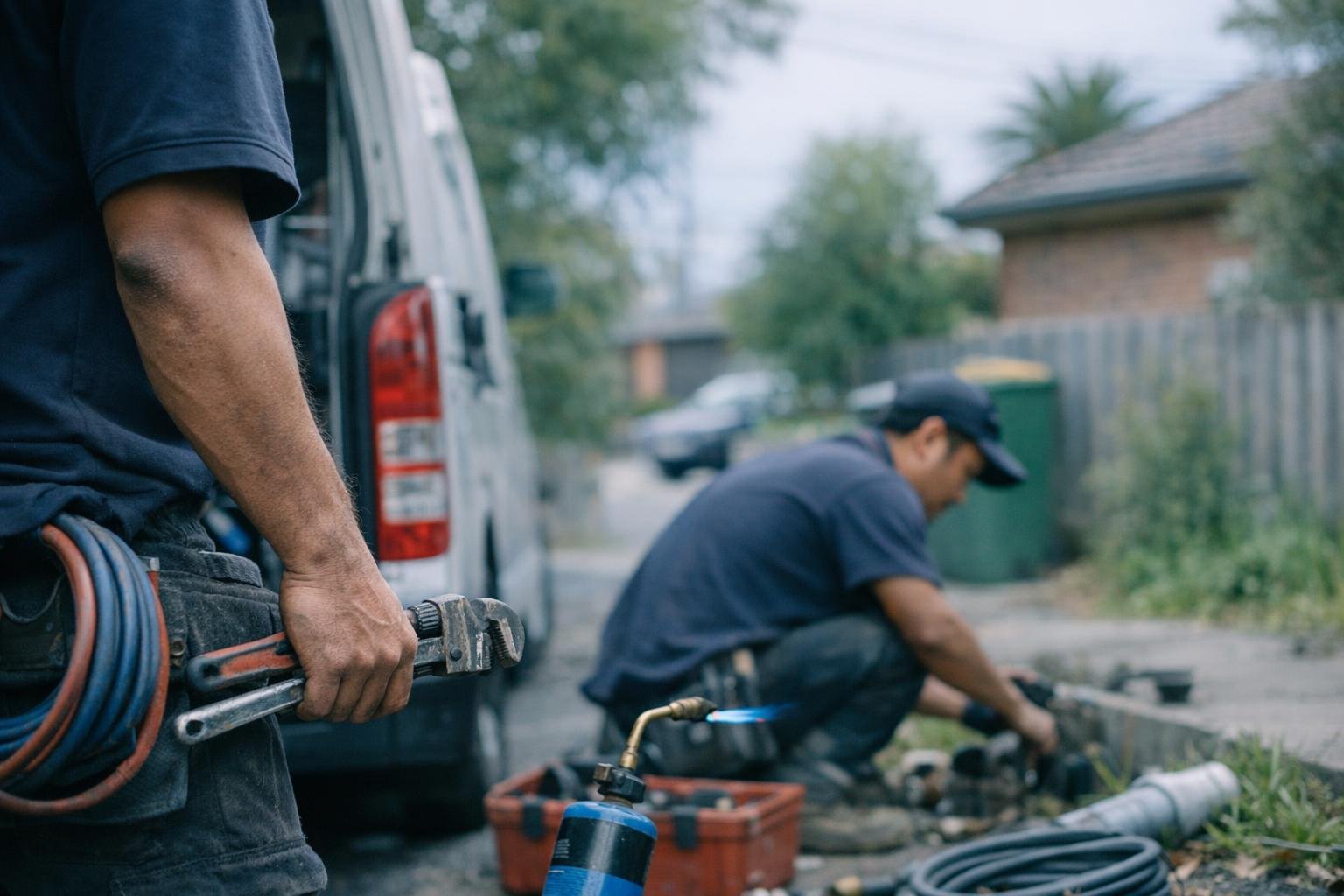
Root Cause Analysis is a method used to find why a plumbing problem happens. It's not just fixing what you see right now. This approach stops the same issue from happening again. It addresses the real source of the problem. When an emergency plumber does root cause analysis, they look deeper. They find why a leak, blockage, or failure happened. They don't stop at what's obvious.
For example, a burst pipe might seem caused by freezing. But the real cause could be poor pipe insulation. It could be bad drainage design. It could be corrosion from hard water. By finding the actual root cause, plumbers can prevent future problems. They don't just replace the damaged pipe. They fix what caused the damage.
Professional plumbers ask key questions. Why did this happen? What conditions allowed this? What could have prevented this? They use tools to find answers. CCTV drain cameras (special cameras that go down pipes) help them look inside. Pressure testing equipment finds leaks. Visual inspections gather more information. These tools help trace problems to their source.
Why Root Cause Analysis Matters for Emergency Plumber Customers
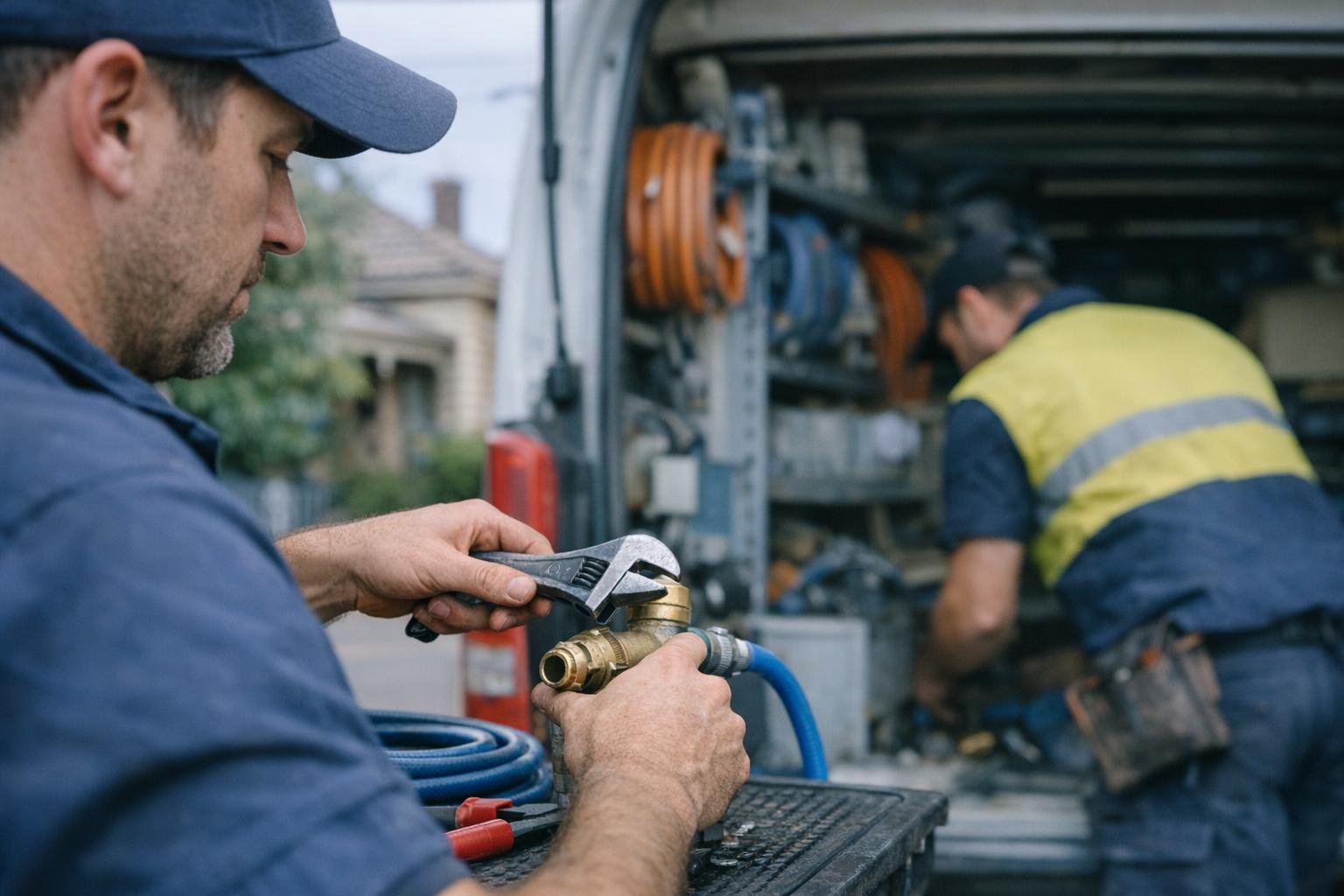
For Melbourne homeowners and business owners, root cause analysis makes a big difference. It's the difference between a quick fix and a lasting solution. Emergency plumbing is stressful and expensive. You naturally want to avoid the same crisis again. When an emergency plumber investigates the root cause, they help you understand what went wrong. They show you how to prevent it next time. This knowledge helps you make smart decisions. You'll know about maintenance, upgrades, or prevention.
Root cause analysis also protects your property investment. Fixing only symptoms leads to recurring problems. These cost far more over time than proper investigation. A full repair upfront is smarter. Many customers find that understanding the root cause helps them. They can prioritize repairs better. They can plan budgets more effectively.
How Root Cause Analysis Fits Into Emergency Plumber Services in Melbourne
Emergency Plumber Melbourne uses root cause analysis in its approach. This ensures customers get solutions that work long-term. We handle blocked drains, leaking taps, burst pipes, and water pressure issues. Our team investigates thoroughly. We uncover why the problem developed. This might involve drain camera inspections. We identify blockage sources. We use pressure testing to locate leaks. We analyze water quality. We determine if corrosion is a factor.
In Melbourne's climate and aging infrastructure, root cause analysis is very valuable. Older properties have outdated plumbing systems. They're prone to specific failures. Environmental factors like soil movement require investigation. Tree root intrusion requires investigation too. We need to understand these causes. Emergency Plumber Melbourne helps customers make smart decisions. We suggest repairs, replacements, or preventive maintenance. We suit solutions to your specific situation.
Root Cause Analysis in Practice: A Real-World Example
A customer experiences a blocked kitchen sink for the third time in six months. Rather than simply clearing the blockage again, an emergency plumber performs root cause analysis using a drain camera and discovers that grease buildup combined with a slight pipe slope issue is causing recurring blockages. The root cause is the combination of poor drainage design and grease disposal habits. The plumber recommends both a pipe adjustment to improve slope and educates the customer on proper grease disposal, preventing future emergencies.
Sources & Further Reading on Root Cause Analysis
- International Organization for Standardization (ISO) Quality Management Standards
- Master Plumbers Association of Victoria
Emergency Plumber Services Related to Root Cause Analysis
Terms Related to Root Cause Analysis
Plumbing Inspection
Plumbing Inspection is a thorough examination of a building's water supply, drainage, and gas systems to identify leaks, blockages, damage, or code violations. A qualified plumber uses visual checks and specialized equipment to assess the condition and safety of all plumbing components.
CCTV Drain Inspection
CCTV Drain Inspection is a diagnostic service that uses a small waterproof camera attached to a flexible cable to visually examine the inside of drains and pipes. The camera transmits live video to a monitor, allowing plumbers to identify blockages, cracks, tree roots, and other damage without excavation.
Pipe Leak Detection
Pipe Leak Detection is the process of identifying and locating water leaks within plumbing pipes using specialized equipment and techniques. Plumbers use tools like acoustic sensors, thermal imaging, and pressure testing to find hidden leaks before they cause major water damage to homes or businesses.
Burst Pipe
Burst Pipe is a plumbing failure where a water pipe cracks or ruptures, causing water to leak uncontrollably into walls, floors, or surrounding areas. This emergency requires immediate professional attention to prevent water damage, mold growth, and structural harm to homes or buildings in Melbourne.
Blocked Drain
Blocked Drain is a plumbing problem where water can't flow freely through pipes because debris, grease, hair, roots, or other materials have accumulated and stopped the water's passage. This prevents water from draining properly from sinks, showers, toilets, or outdoor drains in homes and businesses.
Frequently Asked Questions About Root Cause Analysis
How is root cause analysis different from just fixing the problem?
Fixing the problem treats the immediate symptom, while root cause analysis investigates why the problem happened. For example, clearing a blocked drain fixes the immediate issue, but root cause analysis discovers whether the blockage was caused by grease buildup, tree roots, pipe corrosion, or design flaws. This difference determines whether the problem will happen again soon or stay resolved.
Does root cause analysis cost more than a standard emergency repair?
Root cause analysis may take slightly longer initially, but it typically saves money over time by preventing recurring problems. A thorough investigation upfront costs less than multiple emergency calls for the same issue. Many customers find that understanding the root cause helps them make cost-effective decisions about repairs versus replacements.
What tools do plumbers use to perform root cause analysis?
Emergency plumbers use specialized equipment including CCTV drain cameras to inspect pipes internally, pressure testing devices to locate leaks, water quality testing kits, thermal imaging cameras, and traditional inspection methods. These tools help plumbers see what is happening inside pipes and walls, revealing hidden problems that visual inspection alone cannot detect.
Have Questions About Root Cause Analysis?
Contact our emergency plumber experts in Melbourne for professional guidance.