What is Waterproofing?
Definition
Waterproofing is the process of treating surfaces, materials, or structures to prevent water from penetrating or causing damage. It involves applying protective coatings, sealants, or membranes to keep moisture out of basements, bathrooms, foundations, and pipes, protecting buildings from water damage and extending their lifespan.
TL;DR: Protective treatment that stops water from entering and damaging buildings and plumbing systems.
Key Takeaways About Waterproofing
- Waterproofing prevents water from entering basements, bathrooms, and foundations.
- Common methods include sealants, membranes, and protective coatings applied to surfaces.
- Regular waterproofing maintenance helps avoid costly water damage repairs.
- Melbourne's wet climate makes waterproofing essential for residential and commercial properties.
- Emergency plumbers often identify waterproofing problems during leak detection and inspections.
Reviewed using authoritative sources including Australian Standards AS 3740 - Waterproofing of Buildings, Master Builders Association Victoria - Building Waterproofing Guidelines.
Understanding Waterproofing: Definition and Context
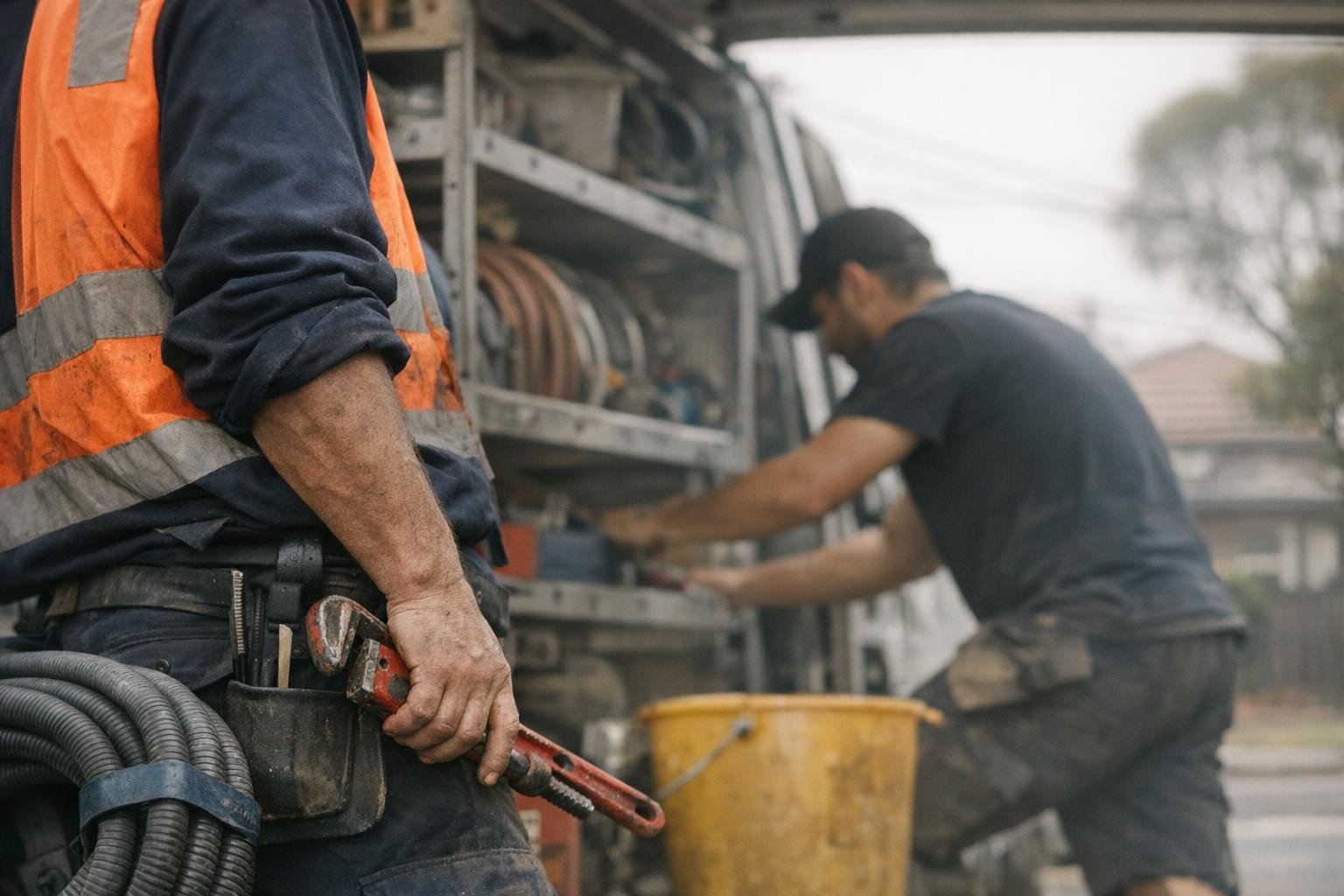
Waterproofing is treating surfaces to stop water damage. It means applying coatings, sealants (liquid barriers), or membranes. These protect basements, bathrooms, foundations, and pipes. Waterproofing keeps moisture out of buildings. It also extends how long buildings last.
Waterproofing works by creating a barrier. The barrier stops water from getting through. This barrier can be made from many materials. Options include liquid sealants, rubber membranes, plastic sheets, or cement coatings. The right method depends on the location. It also depends on water exposure type. And it depends on what surface you're protecting. Basement waterproofing may use thick membranes. Bathroom waterproofing usually uses silicone sealants. These go around tiles and fixtures.
There are two main types of waterproofing. Negative-side waterproofing stops water from entering outside. Positive-side waterproofing stops water from escaping inside. Both types matter in different situations. They protect foundations from groundwater. They also prevent leaks in shower areas.
Why Waterproofing Matters for Emergency Plumber Customers
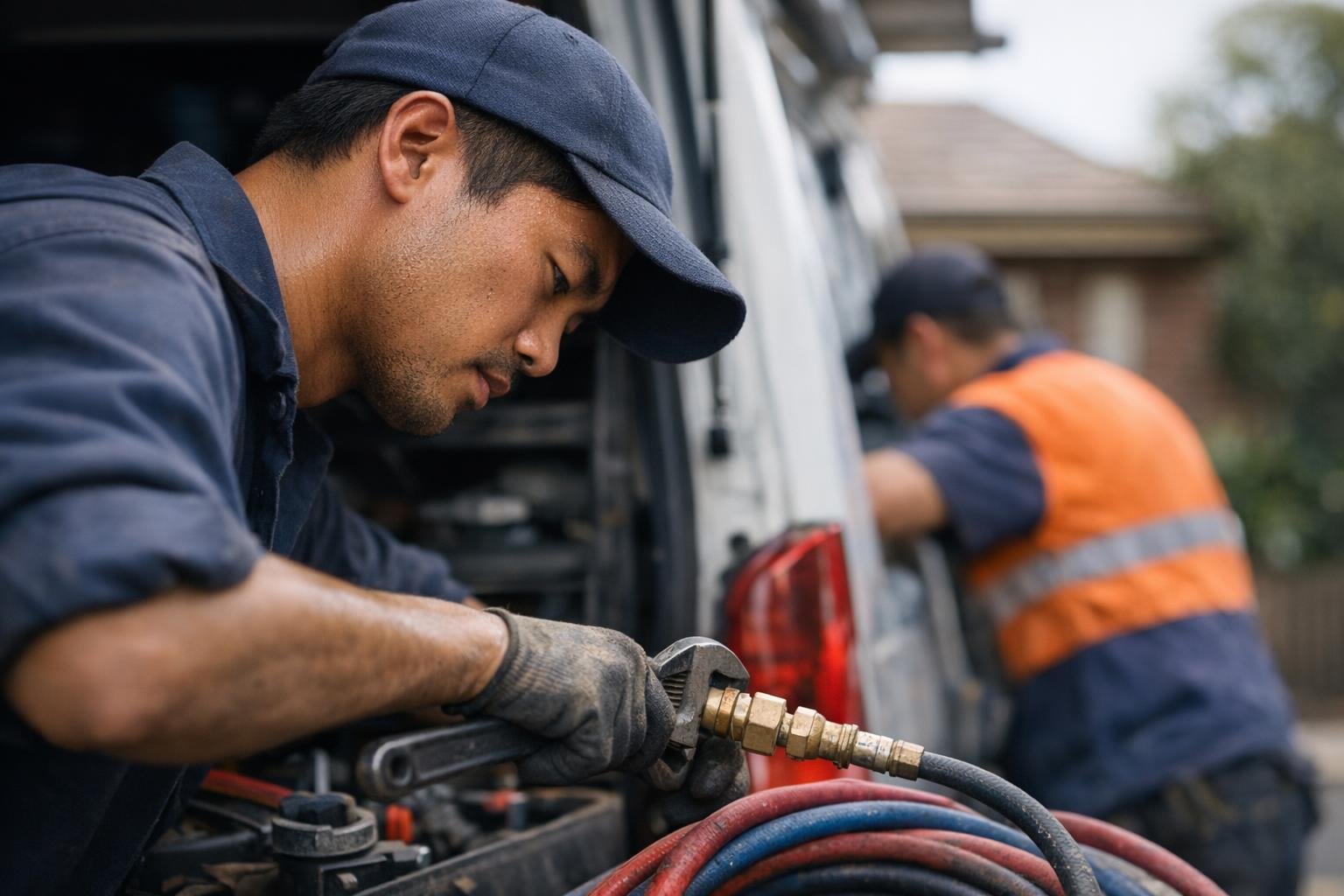
Water damage is very expensive for homeowners. It's also expensive for businesses. When waterproofing fails, water seeps into walls. It can damage electrical systems. It promotes mold growth. It weakens structural integrity (the strength of buildings). Proper waterproofing prevents these costly emergencies. Melbourne gets heavy rainfall and high humidity. So waterproofing isn't optional there. It's essential protection.
Emergency plumbers see water damage often. Much of it could've been prevented. Proper waterproofing would've stopped it. Leaking pipes cause water damage. Flooded basements cause water damage. Water-damaged walls cause water damage. All often result from bad waterproofing. Investing in waterproofing services helps customers. You'll avoid emergency plumbing calls. You'll reduce insurance claims. You'll protect your property's value.
How Waterproofing Fits Into Emergency Plumber Services in Melbourne
Emergency Plumber Melbourne checks waterproofing during inspections. They make waterproofing recommendations too. Plumbers use drain cameras and equipment. This equipment detects pipe leaks. They often find waterproofing problems. They find areas where waterproofing failed. They find areas that need better waterproofing. You can address problems before emergencies happen.
Melbourne's climate makes waterproofing very important. Storm water drains need waterproofing. Outdoor drain systems need waterproofing. Basement areas prone to flooding need it. Emergency plumbers recommend waterproofing solutions. They do this during routine inspections. They do this during seasonal checkups. This helps customers maintain their properties. It helps avoid water-related emergencies. Proper waterproofing works with pipe replacement. It works with drain repairs. It works with other plumbing services. Together they create a complete water management system.
Waterproofing in Practice: A Real-World Example
A Melbourne homeowner notices wet spots appearing on their basement wall after heavy rain. An emergency plumber inspects the area using drain cameras and discovers that the foundation's waterproofing membrane has deteriorated over time. The plumber recommends applying a new waterproofing sealant to the exterior foundation and installing a sump pump system. After waterproofing is completed, the wet spots disappear and the basement stays dry during future storms.
Sources & Further Reading on Waterproofing
- Australian Standards AS 3740 - Waterproofing of Buildings
- Master Builders Association Victoria - Building Waterproofing Guidelines
- EPA Victoria - Water Damage Prevention
Emergency Plumber Services Related to Waterproofing
Terms Related to Waterproofing
Burst Pipe
Burst Pipe is a plumbing failure where a water pipe cracks or ruptures, causing water to leak uncontrollably into walls, floors, or surrounding areas. This emergency requires immediate professional attention to prevent water damage, mold growth, and structural harm to homes or buildings in Melbourne.
Pipe Leak Detection
Pipe Leak Detection is the process of identifying and locating water leaks within plumbing pipes using specialized equipment and techniques. Plumbers use tools like acoustic sensors, thermal imaging, and pressure testing to find hidden leaks before they cause major water damage to homes or businesses.
Wet Spots
Wet spots are visible patches of moisture or dampness that appear on floors, walls, or ceilings, typically indicating an underlying water leak or plumbing problem. These signs often signal burst pipes, leaking fixtures, or drainage issues that require prompt investigation and repair to prevent structural damage and mold growth.
Storm Water Drain Repair
Storm Water Drain Repair is the process of fixing damaged, blocked, or deteriorating pipes and systems designed to manage rainwater runoff from properties in Melbourne. These repairs restore proper drainage function, prevent flooding, and protect buildings and surrounding areas from water damage.
Plumbing Inspection
Plumbing Inspection is a thorough examination of a building's water supply, drainage, and gas systems to identify leaks, blockages, damage, or code violations. A qualified plumber uses visual checks and specialized equipment to assess the condition and safety of all plumbing components.
Frequently Asked Questions About Waterproofing
What is the difference between waterproofing and water resistance?
Waterproofing completely prevents water from entering a surface or structure, while water resistance only slows water penetration. Waterproofing is more effective and longer-lasting, making it the better choice for critical areas like basements, foundations, and bathrooms where complete protection is essential.
How long does waterproofing last before it needs to be replaced?
Most waterproofing materials last between 5 to 15 years, depending on the type, climate, and maintenance. Melbourne's wet climate and UV exposure can shorten the lifespan of some sealants. Regular inspections by emergency plumbers can identify when waterproofing is failing so repairs can be made before water damage occurs.
Can waterproofing prevent all types of water damage?
Waterproofing significantly reduces water damage risk, but it works best when combined with proper drainage systems, maintenance, and emergency response. If waterproofing fails or is inadequate, water can still cause damage. Emergency plumbers recommend regular inspections and prompt repairs to maintain effective waterproofing protection.
Have Questions About Waterproofing?
Contact our emergency plumber experts in Melbourne for professional guidance.