What is Heat Pump Hot Water?
Definition
Heat Pump Hot Water is a system that extracts warmth from the air or ground to heat water for household use, using electricity to move heat rather than generate it directly. These systems are more energy-efficient than traditional electric or gas hot water heaters, reducing energy consumption and operating costs.
TL;DR: An energy-efficient water heating system that captures heat from air or ground instead of generating it directly.
Key Takeaways About Heat Pump Hot Water
- Heat pump hot water systems use up to 75% less energy than conventional electric heaters.
- They work by extracting warmth from surrounding air or ground and transferring it to water.
- Heat pump systems are ideal for Melbourne's climate and can reduce household energy bills significantly.
- Installation requires professional plumbing expertise and adequate space for the outdoor unit.
- Regular maintenance ensures optimal performance and extends system lifespan.
Reviewed using authoritative sources including Australian Renewable Energy Agency (ARENA), Energy Rating Label - Hot Water Systems (Australian Government).
Understanding Heat Pump Hot Water: Definition and Context
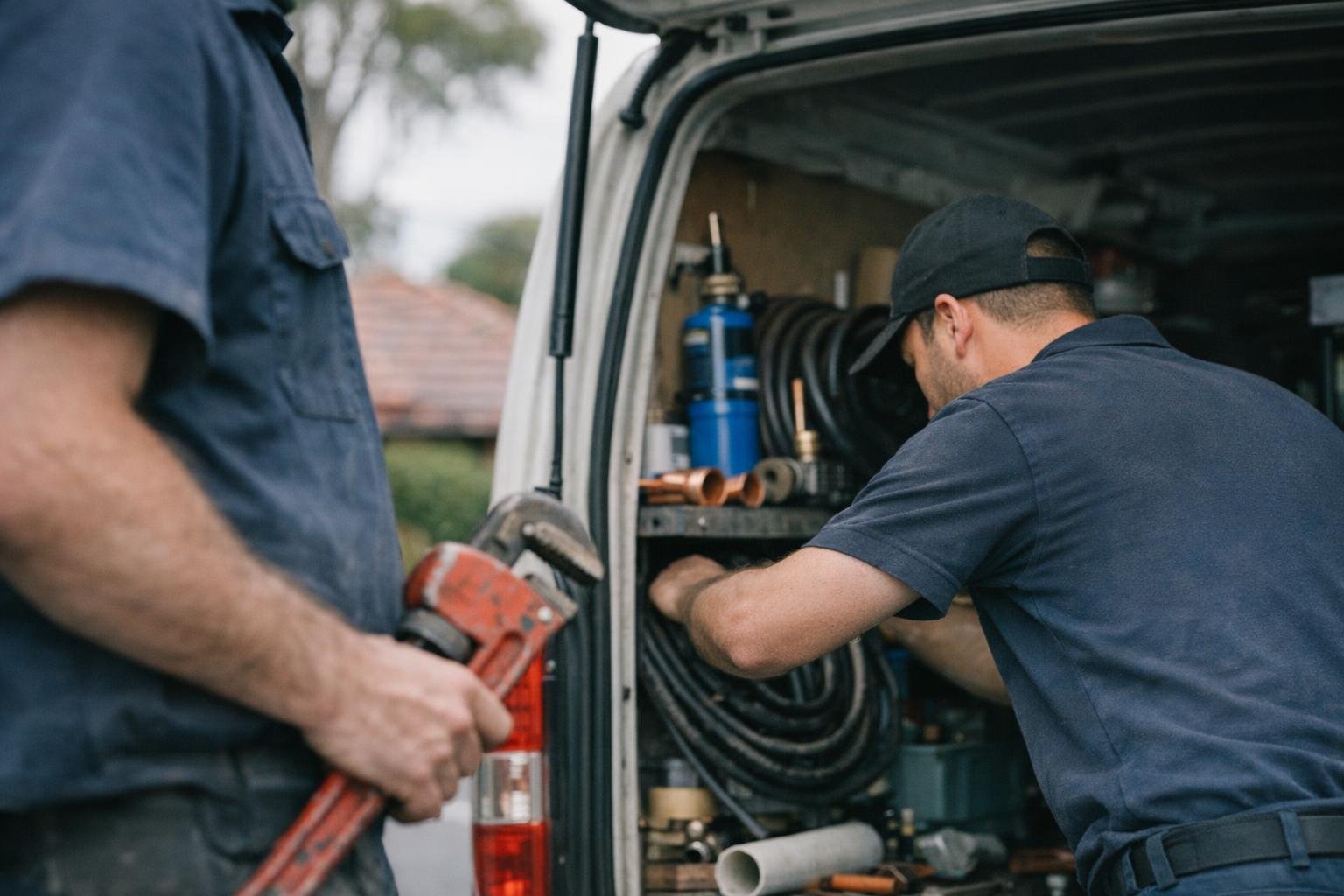
A heat pump hot water system extracts warmth from air or ground. It heats water for your home using electricity. Instead of making heat, it moves heat around. These systems use less energy than electric or gas heaters. They cut down on energy bills and costs. Heat pump systems work like a refrigerator in reverse. They catch heat from outside and put it in water tanks.
Heat pump hot water systems have three main parts. An outdoor unit collects heat from the air. A compressor concentrates that heat. An indoor tank stores the hot water. The system uses a refrigerant (a special cooling liquid) that moves heat. It takes heat from a cool place to a warm place. This technology is popular in Australia. It saves a lot of energy. It gives homes and businesses reliable hot water.
Why Heat Pump Hot Water Matters for Emergency Plumber Customers
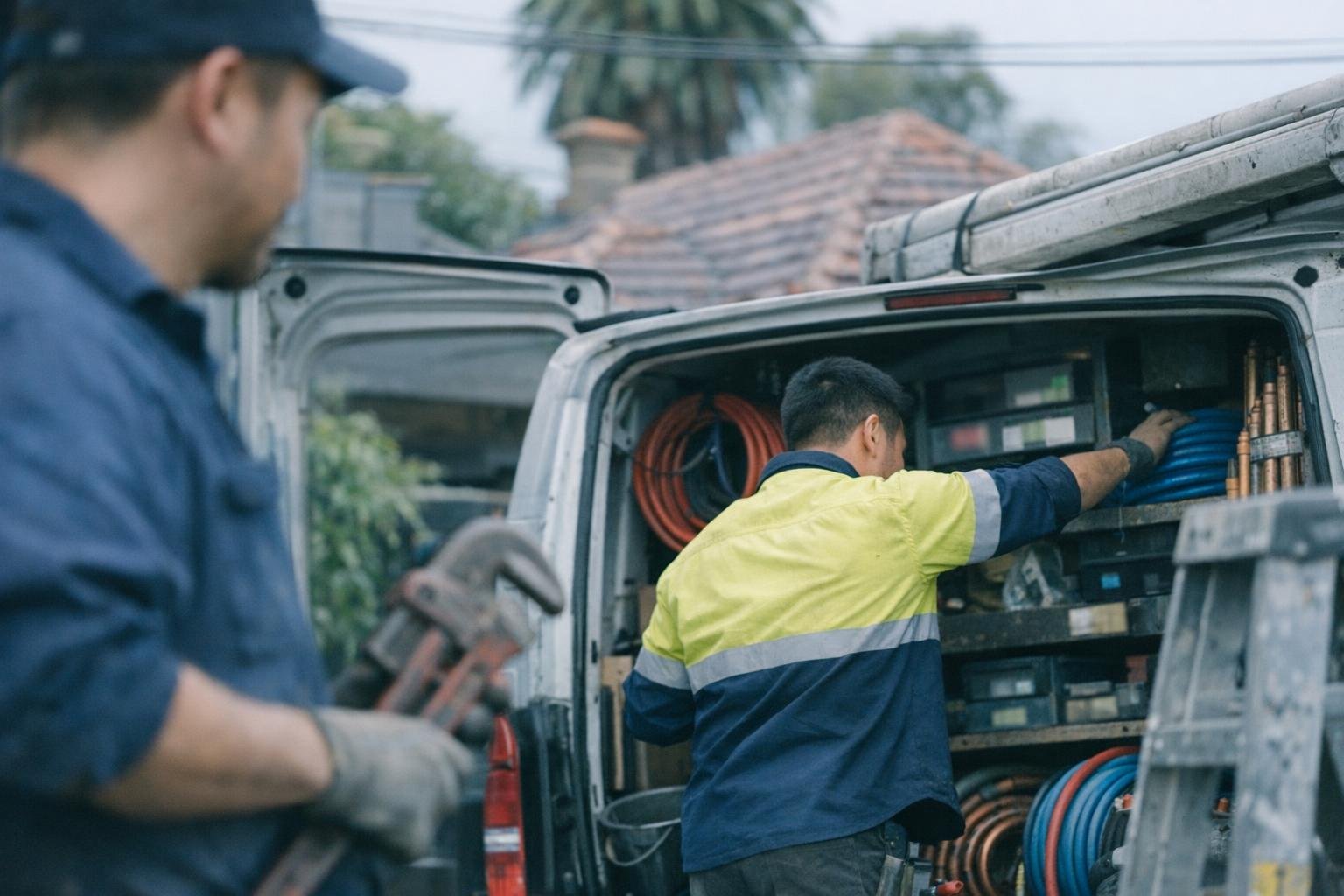
For Melbourne homeowners, heat pump systems are a smart choice. They save money on energy bills over time. Traditional hot water heaters use up to 30% of home energy. That makes them very expensive. Heat pump systems cut energy use by 75%. That's compared to regular electric heaters. Lower bills mean less money spent each month. Most systems last 10-15 years.
Heat pump hot water systems are also good for Earth. They make fewer harmful gases than gas heaters. They use less power than standard electric systems. Victoria offers rebates and money back for these systems. If you care about the planet and high energy costs, this works well. You help the environment and save money too.
How Heat Pump Hot Water Fits Into Emergency Plumber Services in Melbourne
Emergency Plumber Melbourne installs heat pump hot water systems. We also fix and maintain them. We work throughout Melbourne and nearby areas. Our plumbers know how to install these systems. We understand Victorian home requirements. We position outdoor units correctly. We connect them to your pipes properly. We follow all rules and safety codes.
Heat pump hot water systems sometimes break down. They might heat water slowly. They might make strange noises. They might leak refrigerant (the cooling liquid). Our plumbers come fast to fix problems. We also offer regular check-ups. We clean filters and check compressors. We verify refrigerant levels. We install new systems or repair old ones. Emergency Plumber Melbourne can help you.
Heat Pump Hot Water in Practice: A Real-World Example
A Melbourne family replaces their 15-year-old electric hot water heater with a heat pump system. Within the first year, their hot water heating costs drop from $800 annually to approximately $200. The system quietly heats water even on cool days by extracting warmth from outdoor air, and the family qualifies for a Victorian government rebate that offsets part of the installation cost.
Sources & Further Reading on Heat Pump Hot Water
- Australian Renewable Energy Agency (ARENA)
- Energy Rating Label - Hot Water Systems (Australian Government)
- Plumbing Industry Commission Victoria
Emergency Plumber Services Related to Heat Pump Hot Water
Terms Related to Heat Pump Hot Water
Residential Plumbing
Residential Plumbing is the installation, maintenance, and repair of water supply, drainage, and gas systems in homes and apartment buildings. It includes fixing leaks, unclogging drains, replacing pipes, and installing fixtures like taps and toilets to keep household plumbing systems working safely and efficiently.
Seasonal Plumbing Checkup
Seasonal Plumbing Checkup is a preventative maintenance inspection performed at key times of the year to identify and address potential plumbing problems before they become emergencies. These checkups help protect pipes, fixtures, and water systems from damage caused by temperature changes and seasonal wear.
Pipe Leak Detection
Pipe Leak Detection is the process of identifying and locating water leaks within plumbing pipes using specialized equipment and techniques. Plumbers use tools like acoustic sensors, thermal imaging, and pressure testing to find hidden leaks before they cause major water damage to homes or businesses.
Water Pressure Issues
Water Pressure Issues refers to situations where water flow from taps, showers, or appliances becomes too weak, too strong, or inconsistent throughout a home or building. Low pressure may indicate leaks, blockages, or supply problems, while high pressure can damage pipes and fixtures. Identifying the cause requires professional diagnosis.
Frequently Asked Questions About Heat Pump Hot Water
How much energy can a heat pump hot water system save compared to a traditional electric heater?
Heat pump hot water systems typically use 50-75% less energy than conventional electric heaters. This translates to annual savings of $400-$600 for many Melbourne households, depending on usage patterns and local electricity rates. The exact savings depend on your climate, system size, and how much hot water your household uses daily.
Can a heat pump hot water system work effectively in Melbourne's cold winters?
Yes, heat pump systems work efficiently even in Melbourne's cooler months because they extract heat from air rather than requiring extremely warm temperatures. Modern heat pump systems are designed to operate effectively in temperatures as low as 5°C. However, performance may reduce slightly in very cold weather, and backup heating elements can provide additional capacity during peak demand periods.
What maintenance do heat pump hot water systems require?
Heat pump systems require regular maintenance including annual professional inspections, filter cleaning every 3-6 months, and periodic refrigerant level checks. Emergency Plumber Melbourne recommends scheduling seasonal maintenance to ensure optimal performance and catch potential issues early. Proper maintenance extends system lifespan and maintains energy efficiency ratings.
Have Questions About Heat Pump Hot Water?
Contact our emergency plumber experts in Melbourne for professional guidance.