Understanding PEX Pipe
PEX Pipe is a new kind of plumbing. It's made from a strong plastic. This plastic gets even stronger.
Copper and PVC pipes are stiff. PEX Pipe bends easily. It goes around corners without extra parts. Fewer parts mean fewer leaks. It also installs faster.
PEX Pipe doesn't rust. It doesn't get scale buildup. Chlorine won't hurt it. This helps it last longer than metal pipes.
There are three main types of PEX Pipe. They are PEX-a, PEX-b. And PEX-c. Each type is made differently. This changes how bendy and strong they are.
PEX-a bends the most. It's the easiest to use. PEX-b is a little stiffer. But it costs less. PEX-c is less common but still works well.
All types can be used in homes and businesses. They work for drinking water too. But they must have the right safety labels.
How PEX Pipe Is Measured and Installed?
PEX Pipe is measured like copper pipe. The size is the outside width. Common sizes are 12mm, 16mm, 20mm. And 25mm.
Those sizes are also called 3/8 inch, 1/2 inch, 3/4 inch. And 1 inch. The size you need depends on water flow. A kitchen sink uses 16mm.
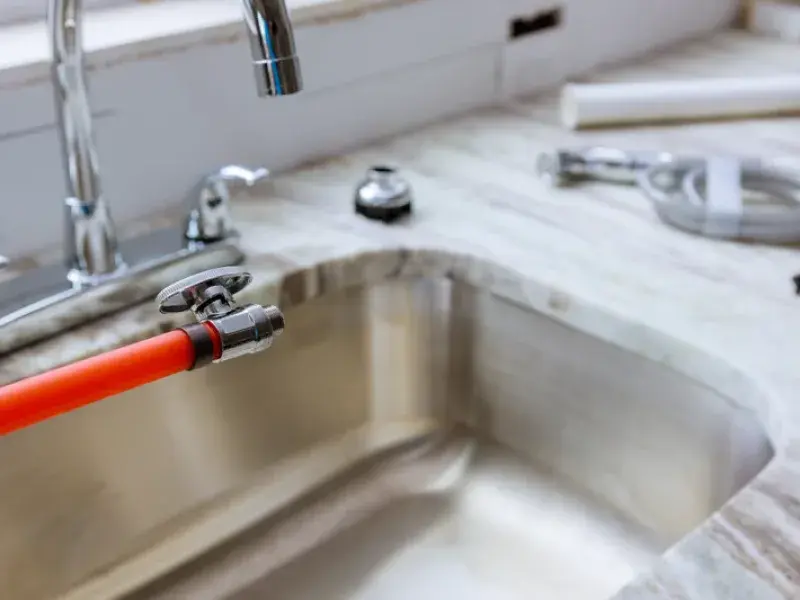
A main water line might need 25mm. PEX Pipe comes in colors. Red is for hot water. Blue is for cold. White is for general use.
PEX Pipe is easier to install than copper. You don't solder or glue it. Instead, you use rings or fittings. Crimp rings need a special tool.
The tool squeezes the ring tight. This makes a seal that won't leak. Clamp rings work the same way. But they use a different tool.
Push fittings snap into place. No tools are needed. They're great for DIY jobs. But pros often pick crimp or clamp rings.
There are three ways to install PEX Pipe. They are trunk and branch, home-run. And manifold. In trunk and branch, a main line runs through the building.
Smaller lines branch off to fixtures. In home-run, each fixture connects to a center point. This keeps water pressure strong.
Manifold systems use a hub. Each fixture gets its own line. This makes fixes easier. It also lets you turn off water to one spot.
Why PEX Pipe Matters?
PEX Pipe has many benefits. It bends. So it needs fewer fittings. Fewer fittings mean lower costs. They also mean fewer leaks.
PEX Pipe won't burst if it freezes. It can stretch a little. This makes it great for cold places. It works well in garages and basements.
Metal pipes lose heat. PEX Pipe doesn't. This saves energy. Hot water stays hot longer.
PEX Pipe doesn't rust or scale. Metal pipes can rust over time. This happens with hard or acidic water. Rust causes leaks and weak flow.
PEX Pipe keeps water pressure strong. It also keeps water clean. It's quieter than metal pipes. You won't hear water rushing.