Understanding Sediment Trap
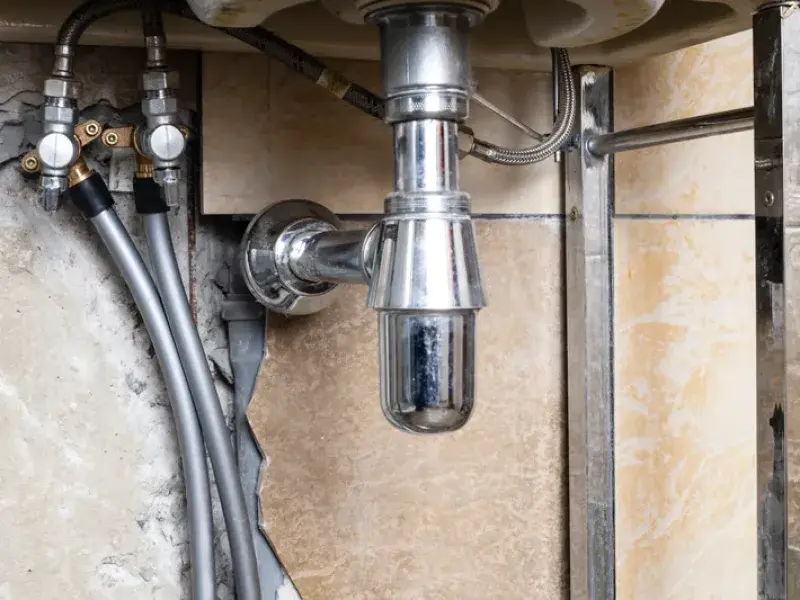
A sediment trap is a small but key part. It sits in gas plumbing systems. It's just a short pipe with a downward loop.
This loop catches heavy bits like rust or dirt. It stops them from flowing with the gas. The bits fall to the bottom of the loop.
Without this trap, bits can build up in appliances. They can clog burners or valves. This can cause problems over time.
It can make appliances work poorly. It can even cause gas leaks. That's a safety risk.
Sediment traps matter most in older buildings. Old gas pipes can have more rust or dirt. Even new setups can have debris.
Workers may leave bits in pipes when they build. The trap catches these too. It keeps gas flowing safely.
This small device is often missed. But it plays a big role. It helps keep gas safe and reliable.
Plumbers add sediment traps to meet rules. These rules are for gas safety in Australia.
How Sediment Trap Works?
A sediment trap works by simple physics. Gas flows through the pipe fast. It carries tiny bits with it.
The gas hits the downward loop. It slows down a little. Gravity then pulls the heavy bits down.
The bits can't stay in the slow gas. They fall to the bottom. The clean gas keeps moving to the appliance.
The bits stay in the trap. They wait there until someone cleans it.
Most traps stand straight up. The gas goes in at the top. It comes out the side near the top.
This shape lets gas flow smoothly. Bits settle at the bottom. Some traps have a plug at the base.
Plumbers can open the plug. They drain the bits out. This is part of regular care.
Other traps don't have plugs. They need to be taken apart. Only a pro should do this.
Taking it apart wrong can cause leaks. That's dangerous.
Why Sediment Trap Matters?
Sediment traps help keep you safe. They also make appliances last longer. Bits in gas can cause trouble.
They can clog valves or burners. A heater burner can get blocked. It might make carbon monoxide.
That's a bad gas. It can make you sick. A trap stops bits before they cause this.
A stove valve can get bits too. It may not light right. Or the flame might jump around.
Traps catch bits before they reach appliances. This stops problems. It saves money on fixes.
Traps also help the whole gas system. Meters and valves can get bits too. This can cause big problems.
A good trap keeps gas flowing right. It stops system failures. This means fewer emergency calls.
It also means lower costs. And more clear next steps.
When Sediment Trap Matters Most?
Sediment traps matter most in key places. Homes need them for new gas appliances. This includes heaters, stoves. And hot water units.
Businesses need them too. Kitchens, factories. And hospitals use them. They protect costly or sensitive gear.
Old buildings may not have traps. Their pipes might be original. They should add traps when they update.
Check traps often in some places. Old pipes can rust a lot. Building work can add debris too.
Big plumbing jobs can put bits in gas lines. This adds to the load on traps. Watch for signs of clogs.
Weak flames can mean a clog. So can uneven flames. Appliances might shut off too.
A strange smell can be a sign. Call a plumber if you see these. They will check the trap.
They will make sure gas is safe. Always use a licensed pro for this.