What is WSUD Compliance?
Definition
WSUD Compliance is the requirement to follow Water Sensitive Urban Design standards set by Melbourne's councils and Victoria's planning regulations. It ensures new buildings and renovations manage stormwater sustainably through techniques like rainwater tanks, permeable surfaces, and green spaces to reduce flooding and protect waterways.
TL;DR: Meeting Melbourne's Water Sensitive Urban Design standards for sustainable stormwater management in construction and plumbing.
Key Takeaways About WSUD Compliance
- WSUD Compliance is mandatory for most new builds and major renovations in Melbourne.
- It requires sustainable stormwater management using rainwater harvesting and permeable surfaces.
- Plumbers must install systems that capture and filter water to reduce runoff.
- Compliance protects local waterways and reduces flooding during heavy rain events.
- Emergency plumbers need to understand WSUD when repairing or replacing drainage systems.
Reviewed using authoritative sources including Victoria Planning Provisions — Water Sensitive Urban Design, Melbourne Water — WSUD Guidelines and Standards.
Understanding WSUD Compliance: Definition and Context
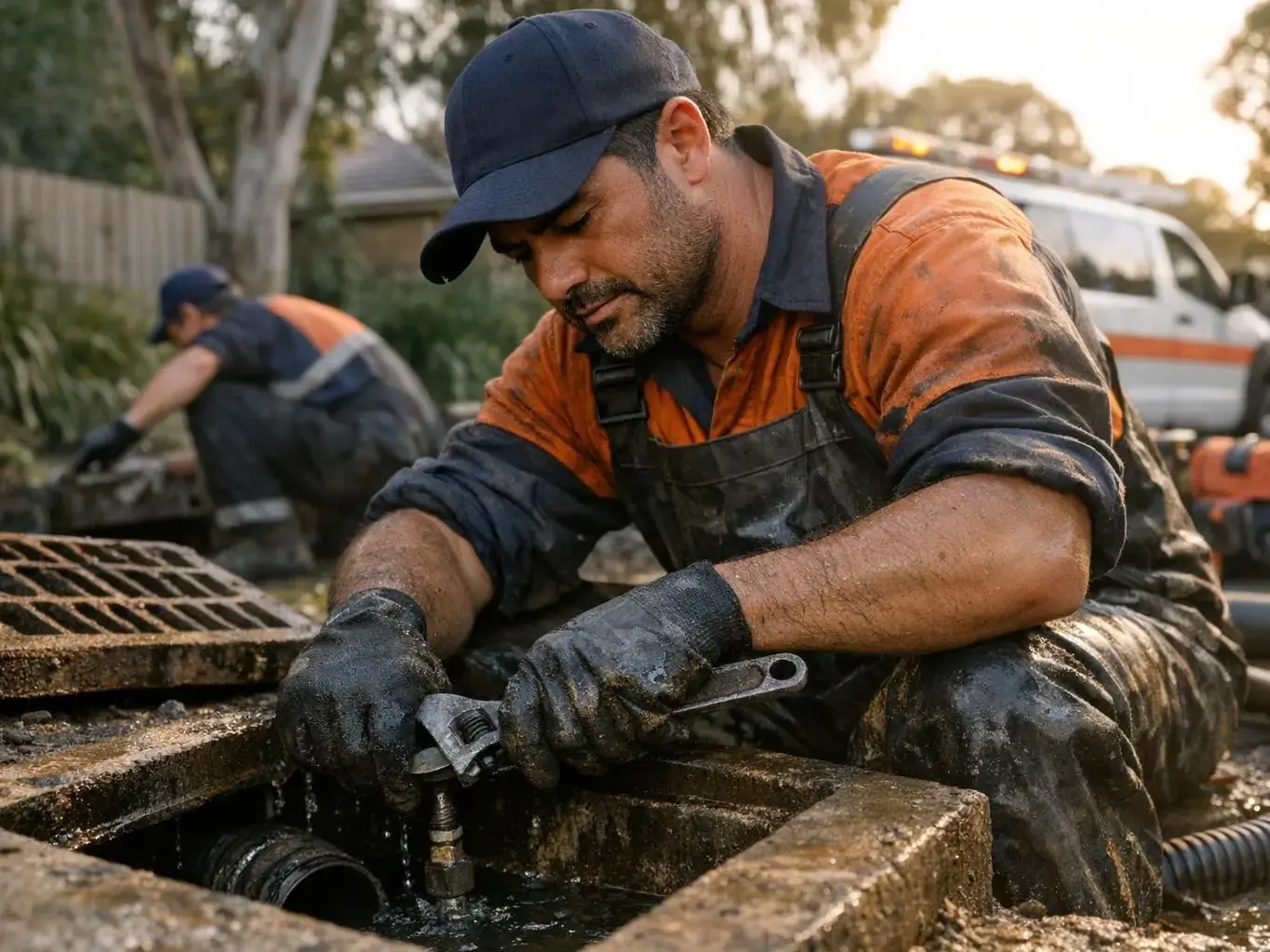
WSUD Compliance means following Water Sensitive Urban Design standards. Melbourne's councils and Victoria set these rules. New buildings and renovations must manage stormwater well. They use rainwater tanks, permeable surfaces, and green spaces. This reduces flooding and protects waterways.
Water Sensitive Urban Design is called WSUD. It's a planning and design approach. It treats stormwater as a resource, not waste. Instead of letting rain run into drains, WSUD captures it. It filters and reuses water on-site. Melbourne's planning scheme requires developers to meet WSUD targets. The targets vary by council area and project size.
WSUD Compliance involves installing specific infrastructure. This includes rainwater tanks and permeable paving. Bioretention gardens, green roofs, and swales are also used. These systems slow down water flow. They allow water to soak into the ground. They reduce stormwater entering Melbourne's drainage network. For plumbers, this means understanding how to install these systems. They also need to maintain and repair them correctly.
Why WSUD Compliance Matters for Emergency Plumber Customers
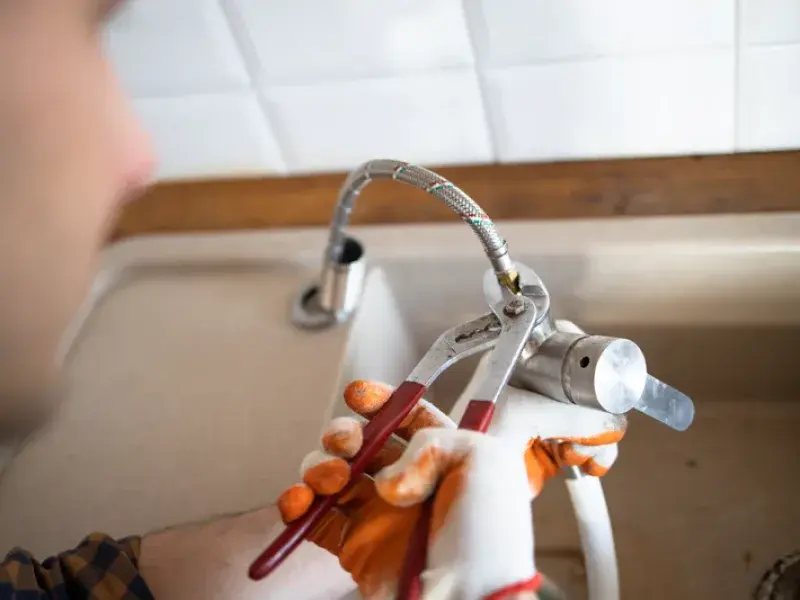
For homeowners and business owners in Melbourne, WSUD Compliance is required. It's not optional for most renovation and construction projects. Failing to comply has serious consequences. Your building permits can be refused. You'll face fines from your local council. You may have difficulty selling your property. When you hire an emergency plumber, understanding WSUD protects you. It prevents costly delays and legal issues.
WSUD Compliance also benefits customers directly. Rainwater harvesting systems reduce water bills. Permeable surfaces prevent basement flooding. Green infrastructure improves property looks and environmental health. Emergency plumbers who understand WSUD can advise you well. They'll help you design drainage systems that meet standards. They'll also solve immediate plumbing problems like blocked drains. Burst pipes can be fixed too.
How WSUD Compliance Fits Into Emergency Plumber Services in Melbourne
Emergency plumbers in Melbourne must know about WSUD Compliance. They need this knowledge when responding to drainage emergencies. Installing new pipes requires this knowledge too. Repairing storm water drains does as well. If a blocked drain occurs near a rainwater tank, the plumber must be careful. They can't damage the sustainable infrastructure. The same applies to burst pipes.
When Emergency Plumber Melbourne responds to storm water drain issues, we assess the property. We check if it meets WSUD standards. We advise customers on upgrades if needed. For example, if flooding happens repeatedly, we may recommend solutions. Installing a rainwater tank is one option. Improving permeable surfaces is another. Both are WSUD-compliant solutions. Understanding WSUD helps us design drainage systems well. They'll pass council inspections and protect your property long-term.
WSUD Compliance in Practice: A Real-World Example
A Melbourne homeowner is renovating their kitchen and needs to relocate plumbing pipes. Their local council requires WSUD Compliance, so the plumber must ensure the new drainage system includes a rainwater tank to capture roof runoff and permeable paving around the work area. The emergency plumber coordinates with the builder to meet these standards before the council approves the renovation permit.
Sources & Further Reading on WSUD Compliance
- Victoria Planning Provisions — Water Sensitive Urban Design
- Melbourne Water — WSUD Guidelines and Standards
- City of Melbourne — Planning and Building Standards
Emergency Plumber Services Related to WSUD Compliance
Terms Related to WSUD Compliance
Storm Water Drain
Storm Water Drain is a system of pipes and channels designed to collect and redirect rainwater and surface runoff away from buildings and properties to prevent flooding and water damage. These drains are separate from sewage systems and carry water to local waterways, detention basins, or treatment facilities.
Storm Water Drain Repair
Storm Water Drain Repair is the process of fixing, replacing, or restoring drainage systems designed to manage rainwater and surface water runoff from properties in Melbourne. These repairs address damage, blockages, or deterioration in pipes, channels, and outlets that direct water away from buildings and roads to prevent flooding and water damage.
Pipe Replacement
Pipe Replacement is the process of removing old, damaged, or deteriorated water pipes and installing new ones to restore proper water flow and prevent leaks. This service is essential when pipes become corroded, cracked, or fail to meet current plumbing standards, ensuring safe and reliable water delivery throughout a property.
Residential Plumbing
Residential Plumbing is the installation, maintenance, and repair of water supply, drainage, and gas systems in homes and apartment buildings. It includes fixing leaks, unclogging drains, replacing pipes, and installing fixtures like taps and toilets to ensure safe water delivery and waste removal.
Commercial Plumbing
Commercial Plumbing is the installation, maintenance, and repair of water, drainage, and gas systems in non-residential buildings such as offices, restaurants, shopping centres, and factories. It handles larger, more complex systems than residential plumbing and must comply with strict building codes and safety standards.
Frequently Asked Questions About WSUD Compliance
Do all Melbourne properties need WSUD Compliance?
Most new buildings and major renovations in Melbourne require WSUD Compliance under the Victoria Planning Provisions. However, requirements vary by local council area and project size. Small repairs or minor work may be exempt. Check with your local council or hire an emergency plumber to assess your specific situation and compliance obligations.
What happens if my plumbing work doesn't meet WSUD Compliance?
If your plumbing or drainage work fails to meet WSUD standards, your local council may refuse to issue a building permit, issue fines, or require costly remedial work. This can delay projects significantly and increase expenses. Working with a plumber who understands WSUD requirements ensures your work passes inspection first time and protects your investment.
Can an emergency plumber help me understand WSUD requirements for my property?
Yes. Emergency plumbers in Melbourne are familiar with WSUD standards and can assess your property's drainage systems, advise on compliance, and recommend upgrades like rainwater tanks or permeable surfaces. They can also coordinate with builders and councils to ensure all plumbing work meets current WSUD requirements before permits are issued.
Have Questions About WSUD Compliance?
Contact our emergency plumber experts in Melbourne for professional guidance.