Understanding Drain Snake
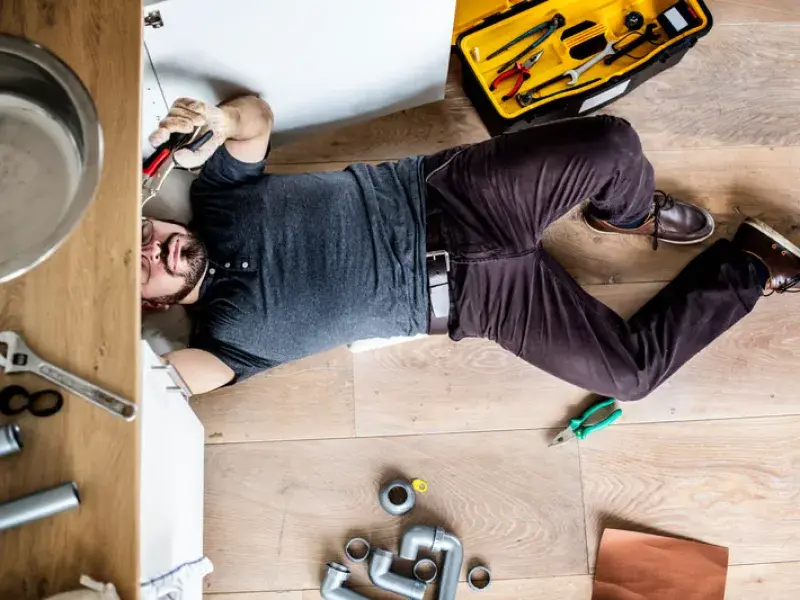
A drain snake, also called a plumbing auger, is a long, flexible cable with a coiled end designed to navigate pipes. When a plunger fails to clear a clog, a drain snake is the next tool plumbers reach for. The coiled end either breaks up blockages or hooks onto debris so it can be pulled out. Drain snakes work well on common clogs like hair, soap scum. And small objects that get stuck in pipes.
Related glossary terms: Main Sewer Line, Hydrostatic Pressure Test, Root Intrusion.
Drain snakes come in different lengths and thicknesses to handle various pipe sizes. A small hand-cranked snake might clear a bathroom sink. While a larger electric model can tackle a main sewer line. The tool’s flexibility allows it to bend through pipe curves, reaching clogs that plungers or chemical cleaners can't. Unlike harsh chemical drain cleaners, a drain snake physically removes blockages without damaging pipes when used correctly.
How Drain Snake Works?
Using a drain snake involves feeding the coiled cable into the pipe until it reaches the blockage. Once the snake hits the clog, the user rotates the handle to spin the coil, which either breaks up the debris or grabs onto it. For electric drain snakes, a motor powers the rotation, making it easier to clear tougher clogs. The snake’s design allows it to navigate bends in pipes, which is why it’s effective for sinks, showers. And toilets.
Manual drain snakes require physical effort to crank the handle. While electric models do most of the work automatically. Both types have a drum or housing that holds the coiled cable, keeping it organized and preventing tangles. Some drain snakes include interchangeable heads, like cutting blades or retrieval hooks, to handle different types of blockages. Proper technique is important—pushing too hard can damage pipes. While not pushing enough may leave the clog intact.
Why Drain Snake Matters?
A drain snake is a cost-effective and efficient way to clear pipe blockages without resorting to harsh chemicals or expensive repairs. Chemical drain cleaners can corrode pipes over time, leading to leaks or bursts. While a drain snake provides a mechanical solution that preserves plumbing systems. For homeowners, having a basic manual drain snake on hand can resolve minor clogs quickly, saving time and money on service calls.
For plumbers, a drain snake is a versatile tool that handles a wide range of jobs, from simple sink clogs to more complex sewer line blockages. Electric drain snakes, in particular, save time and effort on tougher jobs, making them a valuable investment for professional plumbers. Unlike hydro jetting, which requires specialized equipment and training, a drain snake is accessible for both DIYers and professionals.
When Drain Snake Matters Most?
A drain snake is most useful when a plunger fails to clear a clog or when the blockage is too deep for surface-level tools. Common situations include slow-draining sinks, standing water in showers. Or toilets that won’t flush properly. In these cases, a drain snake can reach the clog and remove it without needing to dismantle pipes or use chemicals. For recurring clogs, a drain snake can help identify whether the issue is a simple blockage or a more serious problem, like tree root intrusion or pipe damage.
In commercial settings, drain snakes are essential for maintaining large plumbing systems, like restaurant kitchens or office buildings. Grease, food debris. And other waste can quickly clog pipes, leading to backups and costly downtime. Regular use of a drain snake can prevent these issues, keeping plumbing systems running smoothly. For emergency plumbers, a drain snake is a go-to tool for resolving urgent blockages, especially when customers need a fast, reliable solution.