Understanding Sewer Line Cleanout
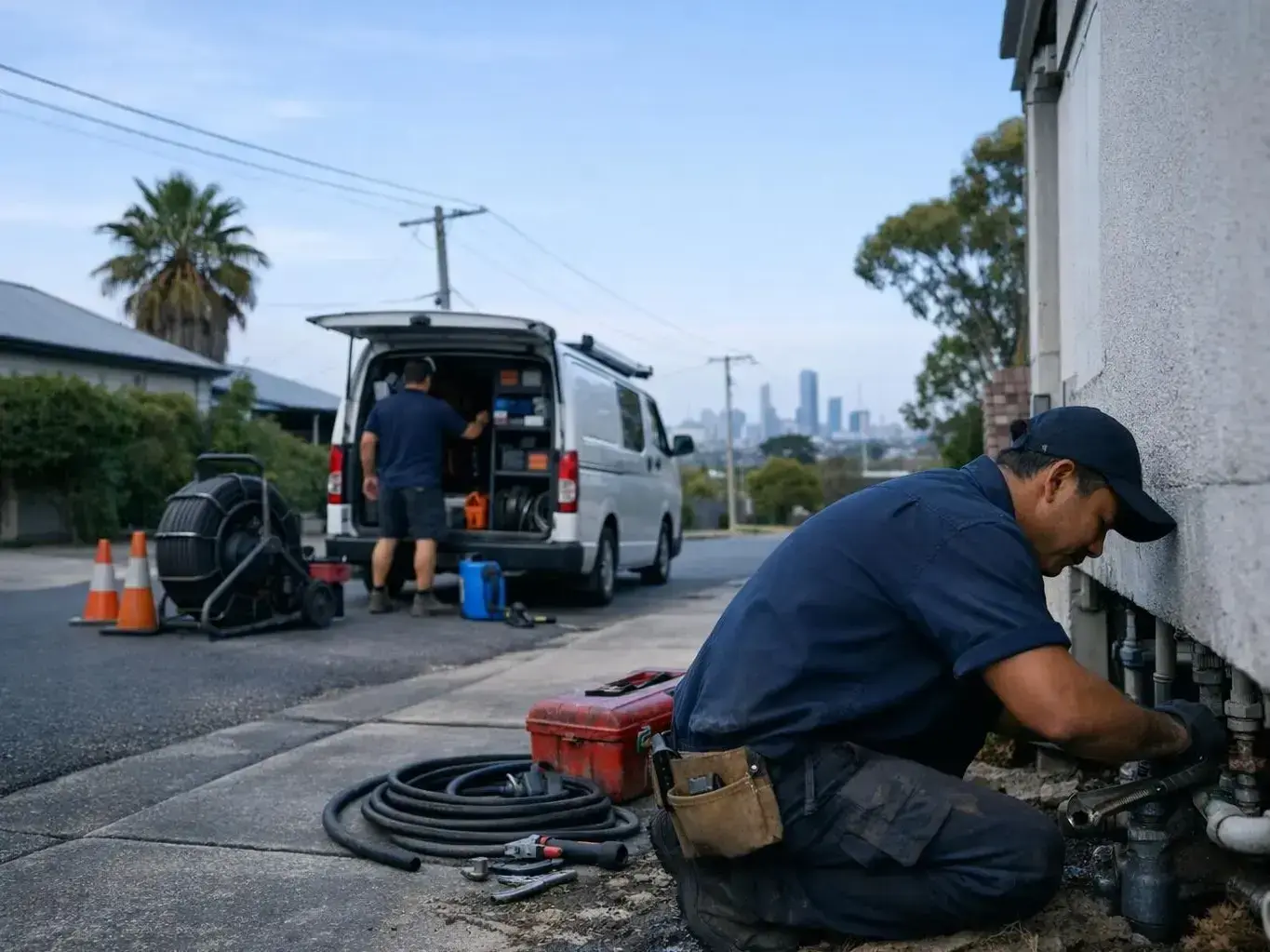
A sewer line cleanout is a critical component of a property’s plumbing system. It's a short, vertical pipe with a removable cap that connects directly to the main sewer line. This access point allows plumbers to insert tools like drain snakes or hydro-jetting equipment to break up clogs, remove debris. Or inspect the pipe’s condition. Without a cleanout, clearing a sewer blockage would often require digging up the yard or floor, which is time-consuming and expensive.
Related glossary terms: Main Sewer Line, Root Intrusion, Drain Snake.
The cleanout is usually installed where the sewer line exits the home or near the property boundary, where the line connects to the municipal sewer system. Its location is chosen for convenience and accessibility, ensuring plumbers can reach it quickly during emergencies. In Melbourne, local plumbing codes typically require at least one cleanout for every residential property to comply with the National Construction Code.
How Sewer Line Cleanout Works?
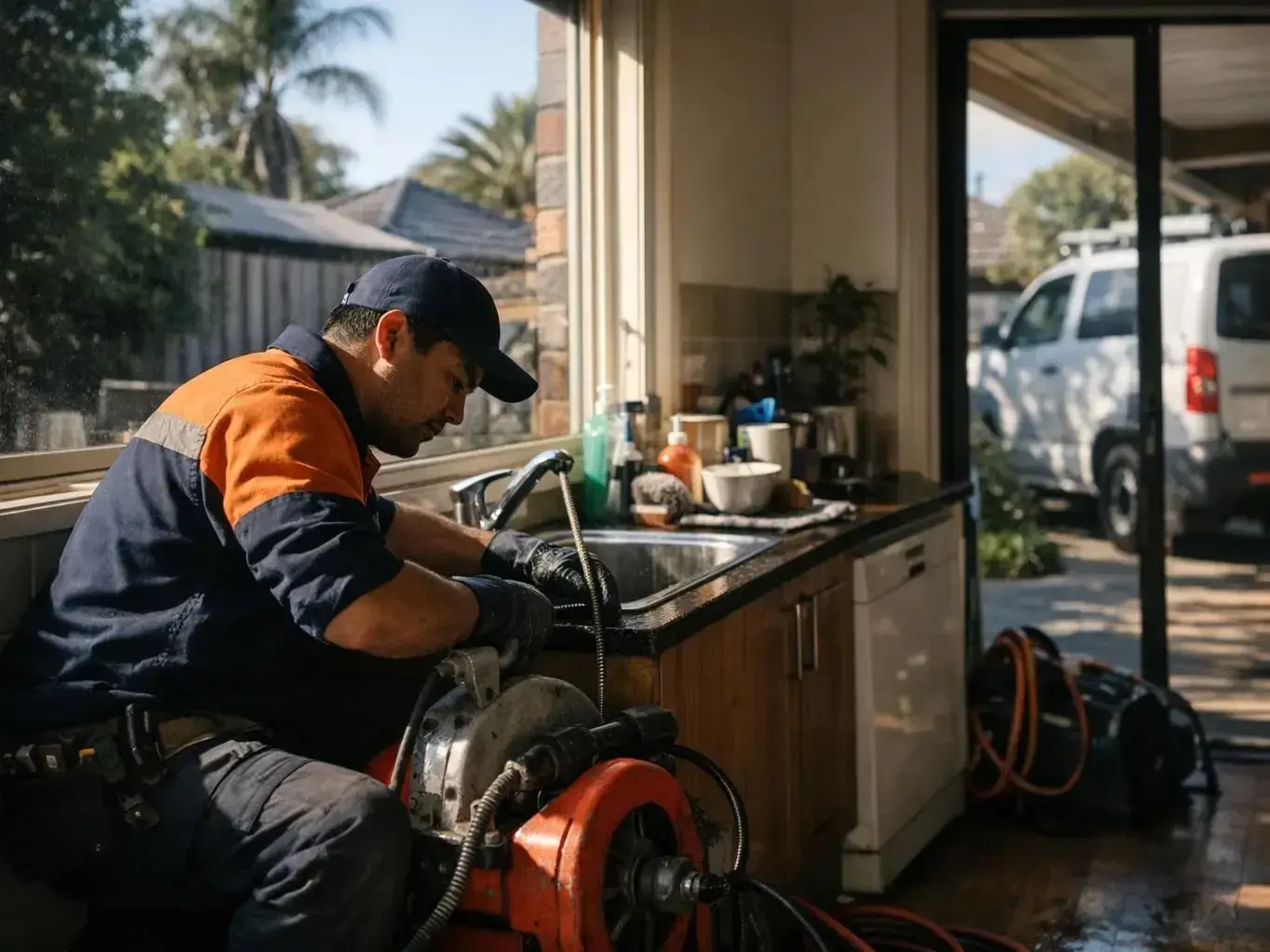
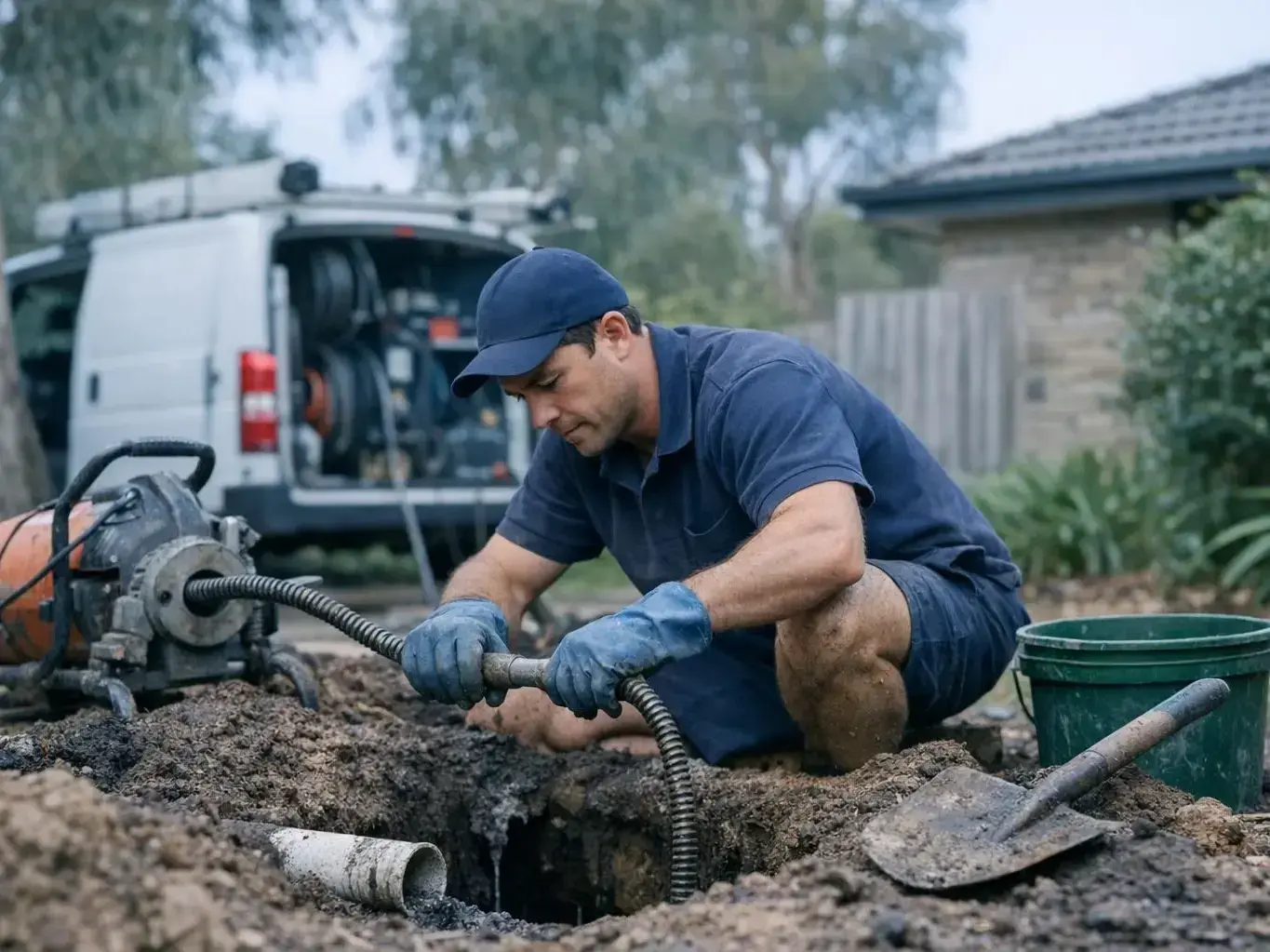
The cleanout functions as a direct entry point to the sewer line. When a blockage occurs, a plumber removes the cap and inserts a flexible cable (drain snake) or high-pressure water jet (hydro-jet) into the pipe. The snake’s rotating head breaks up solid waste, tree roots. Or other obstructions. While hydro-jetting uses water pressure to flush out grease, sludge. And debris. The cleanout also allows for video camera inspections, where a small, waterproof camera is fed into the pipe to identify cracks, root intrusion. Or collapsed sections.
Cleanouts come in different sizes, typically 4 inches in diameter for residential properties, matching the size of the main sewer line. The cap is threaded or secured with a rubber gasket to prevent sewer gas from escaping while keeping the access point watertight. Some properties may have multiple cleanouts, especially if the sewer line has sharp bends or long runs, ensuring access to all sections of the pipe.
Why Sewer Line Cleanout Matters?
Having a functional sewer line cleanout saves homeowners time, money. And hassle. Without one, plumbers may need to dig up the yard or break through concrete to reach the sewer line, leading to higher repair costs and property damage. A cleanout also reduces the risk of sewage backing up into the home, which can cause health hazards and require costly cleanup. Regular maintenance through the cleanout, such as hydro-jetting, can prevent blockages from forming in the first place, extending the lifespan of the sewer line.
For plumbers, a cleanout makes emergency repairs faster and safer. It eliminates the need for guesswork about the blockage’s location and allows for targeted cleaning or inspection. In Melbourne, where older properties may have aging sewer lines, a cleanout is especially valuable for diagnosing issues like root intrusion or pipe deterioration before they lead to major failures.
When Sewer Line Cleanout Matters Most?
A sewer line cleanout becomes critical during plumbing emergencies, such as slow drains, gurgling toilets. Or sewage backups. These symptoms often indicate a blockage in the main sewer line. And the cleanout provides the quickest way to diagnose and resolve the issue. It is also essential during routine maintenance, such as annual drain cleaning, to keep the sewer line flowing smoothly and prevent future problems.
Homeowners should also check their cleanout when buying or selling a property. A missing or damaged cleanout may violate local plumbing codes and could signal neglected sewer maintenance. In Melbourne, properties with older sewer lines or large trees nearby are at higher risk of blockages, making a cleanout even more important for ongoing maintenance and emergency repairs.