Glossary

What is Greywater System?

Greywater System is a plumbing setup that collects, treats. And reuses lightly used water from household sources like showers, baths, sinks. And washing machines. Greywater System separates this water from toilet waste (blackwater) and redirects it for safe reuse in irrigation, toilet flushing. Or other non-drinking purposes, reducing freshwater demand and easing strain on sewer systems.

Sources reviewed: Victoria State Government - Greywater use, Plumbing Industry Commission Victoria - Greywater systems

Quick Facts About Greywater System

Category

Water recycling plumbing system

Used for

Non-drinking water needs like irrigation and toilet flushing

Common confusion

Greywater is not the same as blackwater (toilet waste)

Also called

Greywater recycling system, Greywater diverter

Often discussed with

Pipe Replacement, Commercial Plumbing Emergency

Key Takeaways About Greywater System

Understanding Greywater System
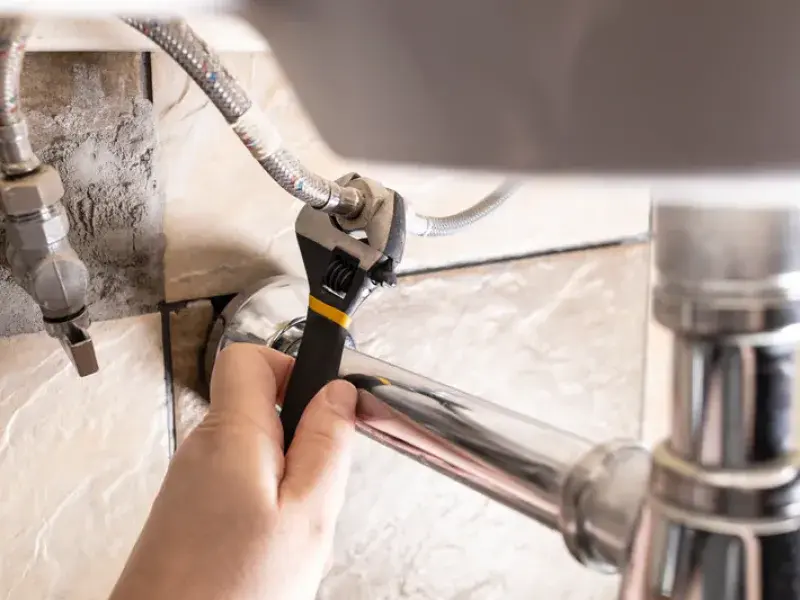
Greywater System in Emergency Plumber—Melbourne

A Greywater System is a plumbing arrangement designed to capture, treat. And repurpose water from everyday household activities. Sources include showers, baths, bathroom sinks. And laundry machines. This water, called greywater, contains fewer contaminants than toilet waste (blackwater) but still needs treatment before reuse. By diverting greywater away from the sewer, the system reduces the volume of wastewater sent to treatment plants and lowers the demand for fresh drinking water.

Related glossary terms: Backflow Prevention, National Construction Code, Certified Plumber.

Greywater System components typically include pipes that separate greywater from blackwater, a storage tank, filtration units. And sometimes disinfection methods like chlorine or UV light. The treated water is then pumped or gravity-fed to outdoor irrigation systems, toilet flushing mechanisms. Or other non-potable uses. The complexity of the system can range from simple diverters that redirect water straight to gardens to advanced setups with automated pumps and sensors.

How Greywater System Works?

The process begins when water flows from sinks, showers. Or washing machines into a dedicated greywater pipe. This pipe carries the water to a storage tank or directly to a filtration unit, depending on the system design. Basic systems use mesh filters to remove hair, lint. And food particles. While more advanced setups include biological or chemical treatments to break down organic matter and reduce bacteria levels.

For local customers, Once treated, the water is either stored for later use or sent immediately to its reuse destination. For irrigation, greywater is often distributed through subsurface pipes to avoid direct contact with plants or people. For toilet flushing, the water is directed to the toilet tank, where it replaces fresh water. Some systems include backup valves that automatically switch to the main water supply if greywater levels run low, ensuring uninterrupted service.

Measurement and monitoring are key to safe operation. Systems may include flow meters to track water usage, sensors to detect clogs or leaks. And alarms to alert users of maintenance needs. Proper sizing is also important—too small a system can lead to overflows. While an oversized one may allow water to sit too long, increasing the risk of bacterial growth.

Why Greywater System Matters?

Greywater System offers practical benefits for households, communities. And the environment. By reusing water that would otherwise go down the drain, households can cut their water bills by up to 40%, depending on usage patterns. This is especially valuable in regions like Melbourne, where water restrictions and droughts can limit outdoor watering. For municipalities, reduced wastewater flow eases the load on sewer systems and treatment plants, lowering infrastructure costs and energy use.

Environmentally, greywater reuse conserves freshwater resources, which is critical as climate change increases the frequency of droughts. It also reduces the energy and chemicals needed to treat and transport drinking water, lowering the carbon footprint of water supply systems. When used for irrigation, greywater can support plant growth without the need for additional fertilizers, as it often contains small amounts of soap and nutrients.

When Greywater System Matters Most?

Greywater System becomes particularly important in situations where water conservation is a priority. Homeowners building new homes or renovating bathrooms and laundries often consider installing a system to meet sustainability goals or comply with local water efficiency standards. In drought-prone areas, greywater reuse can help maintain gardens and lawns without violating water restrictions.

For renters or homeowners in older properties, portable or temporary greywater systems can provide a short-term solution during water shortages. Businesses like laundromats, hotels. And gyms may also benefit from large-scale greywater systems to manage high volumes of lightly used water. But installation must comply with local plumbing codes, which vary by state and council. In Victoria, for example, greywater systems must be approved by a licensed plumber and may require council permits before installation.

Safety and maintenance are critical considerations. Poorly designed or neglected systems can lead to odors, clogs. Or even contamination of drinking water supplies. Regular checks of filters, pumps. And pipes are necessary to prevent blockages and ensure water quality. Homeowners should also be aware of what goes down their drains—harsh chemicals, bleach. Or excessive soap can harm plants or damage the system over time.
How to Evaluate Greywater System?

Related Concepts Compared

Greywater System vs. Blackwater

Blackwater comes from toilets and contains human waste, requiring more intensive treatment. Greywater is lightly used water from sinks, showers. And washing machines, making it safer and easier to reuse.

Greywater System vs. Rainwater Harvesting

Rainwater harvesting collects and stores rainwater for reuse. While greywater systems recycle water already used in the home. Both reduce freshwater demand but serve different sources.

Expert Note

Greywater systems work best when tailored to household water use and local climate. In Melbourne’s variable weather, combining greywater reuse with rainwater harvesting can maximize water savings year-round.

Common Mistakes or Myths About Greywater System

  • Assuming all greywater is safe for drinking—it’s not and should never be consumed.
  • Using greywater on edible plants without proper treatment, which can contaminate food.
  • Ignoring maintenance, leading to clogged filters or foul odors from stagnant water.
  • Mixing greywater with blackwater, which defeats the purpose of a separate system.
  • Installing a system without checking local regulations, risking fines or unsafe operation.

Greywater System in Practice: A Real-World Example

A family in Melbourne installs a greywater system to reuse water from their washing machine and shower. The system filters and diverts the water to their garden, reducing their reliance on mains water. During summer water restrictions, they can still keep their lawn and vegetable patch healthy without breaking the rules.

Sources & Further Reading on Greywater System

  • Victoria State Government - Greywater use
  • Plumbing Industry Commission Victoria - Greywater systems
  • Australian Building Codes Board - National Construction Code

Related Services

Related Terms

Backflow Prevention

Backflow Prevention is a safety measure that stops contaminated water from flowing backward into clean water supplies. It uses valves, air gaps. Or other devices to block reverse flow caused by pressure changes in plumbing systems. Without it, harmful substances like chemicals, bacteria.

National Construction Code

National Construction Code is Australia’s performance-based set of technical rules that govern how new buildings, plumbing. And drainage systems must be designed, constructed. And maintained to ensure safety, health. And sustainability. It combines building and plumbing standards into one document updated every three years by the Australian Building Codes Board.

Certified Plumber

Certified Plumber is a licensed tradesperson who has completed formal training, passed government exams. And met legal requirements to install, repair. And maintain plumbing systems in homes and businesses. Certified Plumbers hold a valid plumbing registration issued by the Victorian Building Authority (VBA) and must follow strict safety and quality standards.

Water Pressure Regulator

Water Pressure Regulator is water Pressure Regulators are mechanical devices installed on water supply lines to reduce and stabilise high incoming water pressure to a safe, consistent level for household plumbing. They prevent damage to pipes, fittings. And appliances by automatically adjusting pressure before water enters taps, showers. Or toilets, ensuring reliable performance and longevity of plumbing systems.

Septic Tank

Septic Tank is an underground wastewater treatment system commonly used in rural or unsewered areas where municipal sewer lines are unavailable. Septic Tanks hold household waste, allowing solids to settle and liquids to drain into a drain field for natural filtration by soil. They require regular maintenance to prevent blockages, odors. Or environmental contamination.

EmergencyPlumberMelbourne.au

Have Questions About Greywater System?

Contact EmergencyPlumberMelbourne.au for practical guidance on Greywater System and related emergency plumber work in Melbourne.

+61 468 067 166