Understanding Shutoff Valve
A shutoff valve is simple but important. It's part of any plumbing system.
Related glossary terms: Ball Valve, Water Meter, Pressure Reducing Valve.
It's usually a small knob or lever. It can be brass or plastic. You'll find it where pipes meet fixtures.
Fixtures include sinks, toilets. And washing machines. They also include water heaters.
Turn the valve to block water. Turn it again to let water flow.
This lets you work on one fixture. The rest of the house still has water.
Most valves are manual. Some newer ones work automatically or by remote.
Shutoff valves come in different shapes. They also come in different sizes.
The most common types are compression, ball. And gate valves.
Compression valves use a rubber washer. It presses against an opening to stop water.
Ball valves have a hollow sphere inside. It turns to block or allow water.
Gate valves use a metal gate. It moves up and down to control water.
Each type has its own benefits. But all do the same job.
They give you quick and reliable control of water flow.
How Shutoff Valve Works?
When you turn the valve handle, it moves a part inside. This part blocks or opens the path for water or gas.
A ball valve has a lever handle. It lines up with the pipe when open.
The lever sits sideways when closed. This design makes it easy to check.
You can see if the valve is on or off. Most valves turn right to close.
They turn left to open. This follows the "righty-tighty, lefty-loosey" rule.
Shutoff valves go in key spots. You'll find them in the plumbing system.
Under a sink, there may be two valves. One is for hot water.
The other is for cold. Behind a toilet, there's usually one valve.
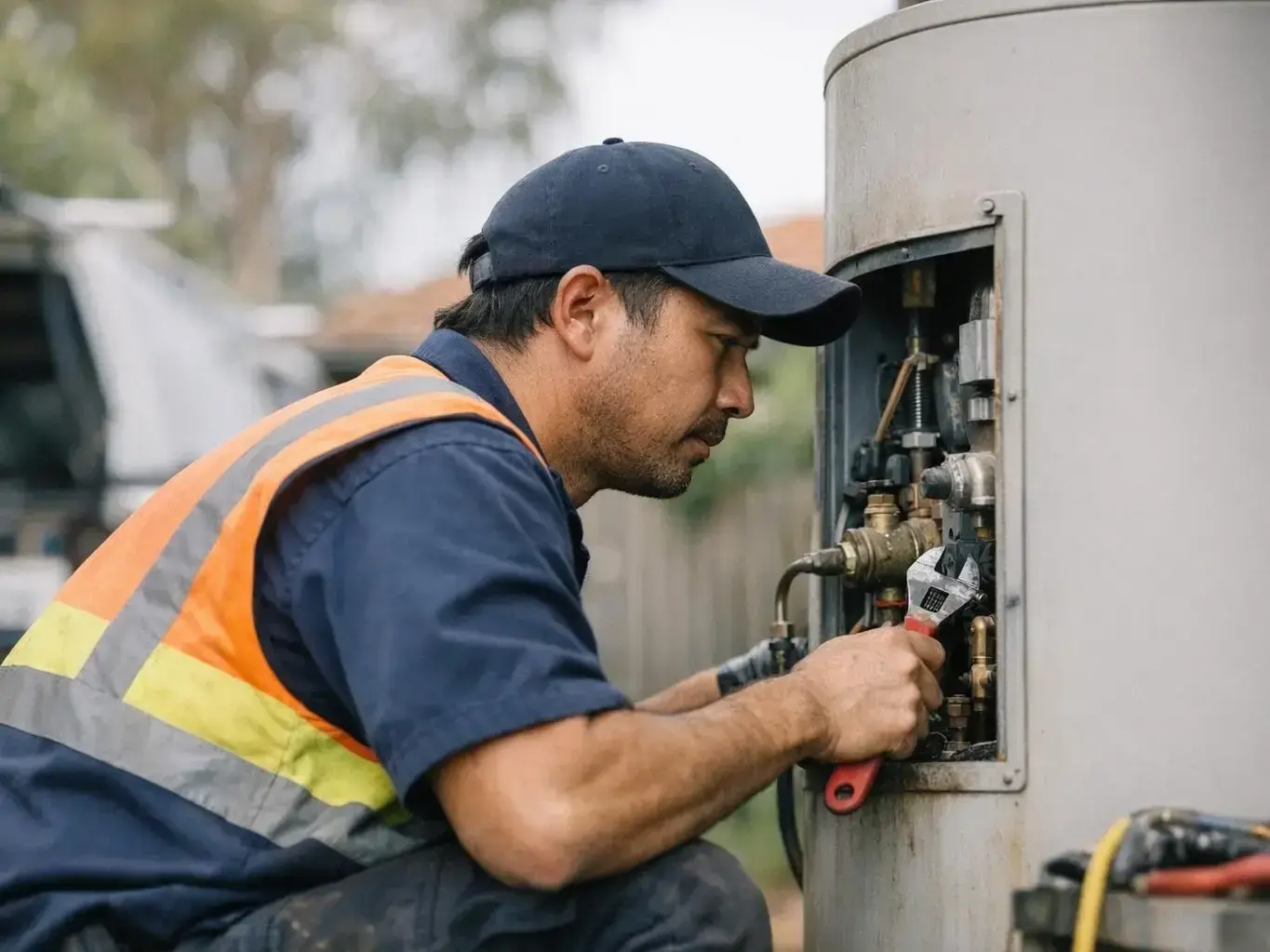
It supplies water to the tank. Big appliances have their own valves too.
These include dishwashers and washing machines. Some homes have more valves.
They may be under the house or near the water heater. These control water to whole sections.
Why Shutoff Valve Matters?
Working shutoff valves stop small leaks. They keep leaks from becoming big problems.
If a pipe bursts, turn off the water fast. This can save you lots of money.
It stops water damage. Without valves, you must turn off all water.
The whole house would have no water. You'd wait until repairs are done.
This makes shutoff valves very important. They are a key safety feature.
Shutoff valves help with regular fixes too. You may need to replace a faucet.
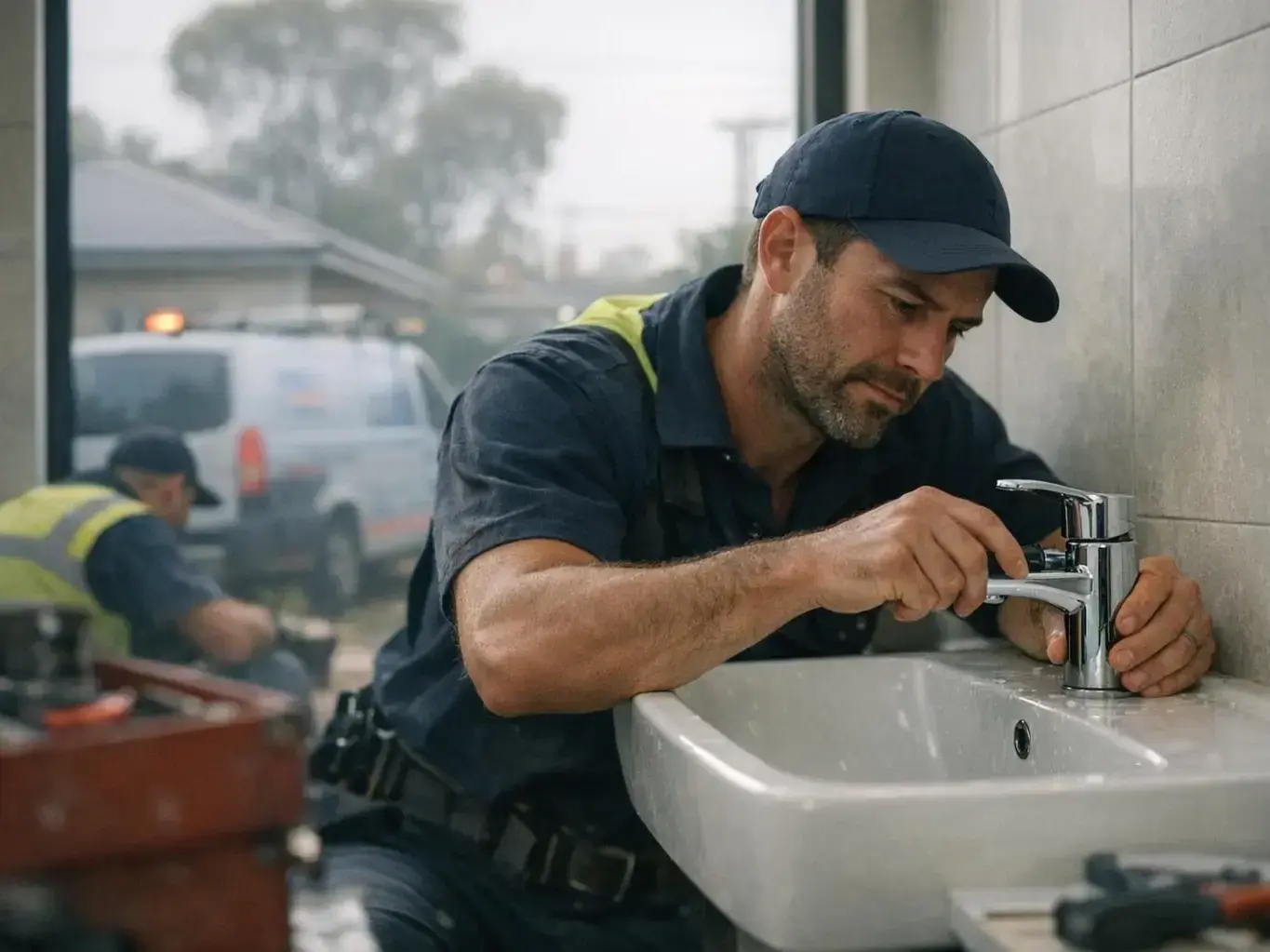
You might fix a leaky pipe or toilet. You can turn off water to just that spot.
The rest of the house still has water. This saves time and trouble.
Check valves often to keep them working. This stops them from getting stuck.
It also stops rust. Then they work when you need them most.
When Shutoff Valve Matters Most?
Shutoff valves matter most in emergencies. A pipe may start leaking.
A toilet might not stop running. A water heater could overflow.
First, find and close the nearest valve. This stops water from spreading.
It keeps floors, walls. And things safe. With a burst pipe, every second counts.
Know where your valves are. This can make a big difference.
Shutoff valves help with updates too. You may add a new sink.
Or a dishwasher or washing machine. Plumbers will add a valve for it.
This makes future fixes easier. When replacing a fixture, check the valve.
Old valves can leak or fail. This can cause bigger problems.
In Melbourne, older homes may have old plumbing. Make sure valves work right.
They should meet safety rules. This is very important for safety.