Glossary

What is Pressure Reducing Valve?

Pressure Reducing Valve is a mechanical device installed in plumbing systems to lower and stabilise high incoming water pressure to a safe, consistent level. Pressure Reducing Valves protect pipes, taps, appliances. And fixtures from damage caused by excessive water pressure, ensuring reliable performance and longer service life in homes and buildings.

Sources reviewed: Plumbing Code of Australia, Water Corporation Western Australia – Water Pressure

Quick Facts About Pressure Reducing Valve

Category

Plumbing control device

Used for

Lowering and stabilising water pressure

Common confusion

Often mistaken for a shutoff valve or pressure relief valve

Also called

PRV, Water Pressure Regulator

Often discussed with

Pipe Leak Detection, Emergency Water Shut Off

Key Takeaways About Pressure Reducing Valve

Understanding Pressure Reducing Valve
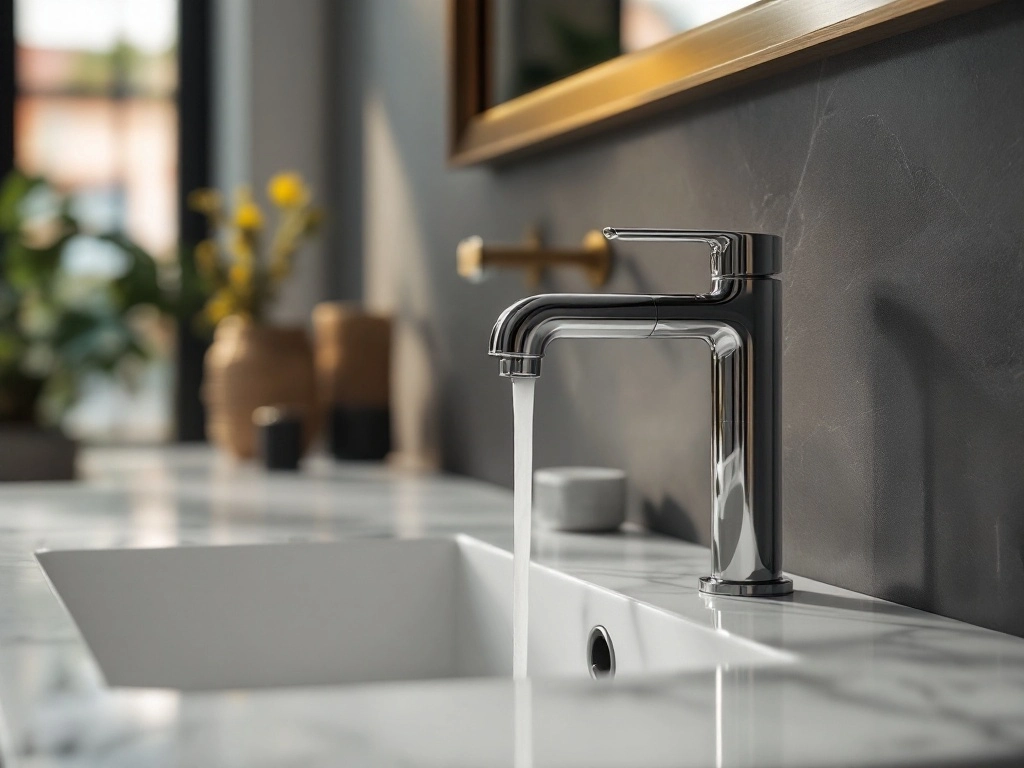
Pressure Reducing Valve in Emergency Plumber—Melbourne

A PRV (Pressure Reducing Valve) is small but key. It's part of a building's plumbing. It sits where water enters the property.

Related glossary terms: Water Pressure Regulator, Shutoff Valve, Water Hammer.

It lowers the water pressure from the street. This keeps your pipes safe. High pressure can cause leaks or bursts.

Most Melbourne homes have a PRV. It protects taps and appliances. It keeps water pressure steady.

Water pressure is measured in kPa (kilopascals) or psi. Street mains can have pressure up to 800 kPa. But homes need about 350–500 kPa.

A PRV lowers the pressure. It sets it between 350 and 500 kPa. This helps taps, showers. And machines work right.

Steady pressure makes things last longer. It keeps everything working well.

How Pressure Reducing Valve Works?

A PRV works with a spring and diaphragm. The spring pushes against the diaphragm. This opens or closes a small hole.

If pressure gets too high, the diaphragm closes. This cuts the flow. When pressure drops, the spring opens it again.

This keeps pressure steady. It works even if street pressure changes.

The valve is set to a safe pressure. It's often around 450 kPa. This works for most plumbing.

Some PRVs have a screw to change the setting. A plumber can adjust it if needed. It works automatically after that.

The spring and diaphragm can wear out. So check the PRV sometimes. Make sure it still works right.

Why Pressure Reducing Valve Matters?

High water pressure causes big problems. Pipes can leak or burst. Taps can drip.

Appliances wear out faster. High pressure makes water hammer worse. That's a loud banging noise.

A PRV stops these issues. It helps plumbing last longer. It saves money on repairs.

A PRV also keeps you safe. High pressure can damage hot water systems. It can cause leaks or burns.

The valve keeps pressure safe. It lowers accident risks. It helps save water too.

Taps and showers work better at the right pressure. This avoids waste. It keeps water bills low.

When Pressure Reducing Valve Matters Most?

A PRV matters when pressure is high or changes a lot. Some Melbourne areas have high pressure. This is true in older suburbs.

If taps drip or pipes are noisy, check the PRV. Appliances may wear out fast. A PRV might help.

It's key when adding new plumbing. Modern fixtures work best at steady pressure.

PRVs help in tall buildings too. Pressure can vary by floor. Top floors may have weak flow.

Lower floors can have too much pressure. A PRV keeps pressure even. It works for the whole building.

Check PRVs often in older buildings. Make sure they work right. If they fail, pressure can get too high.

That can cause leaks or bursts. You might need emergency repairs.
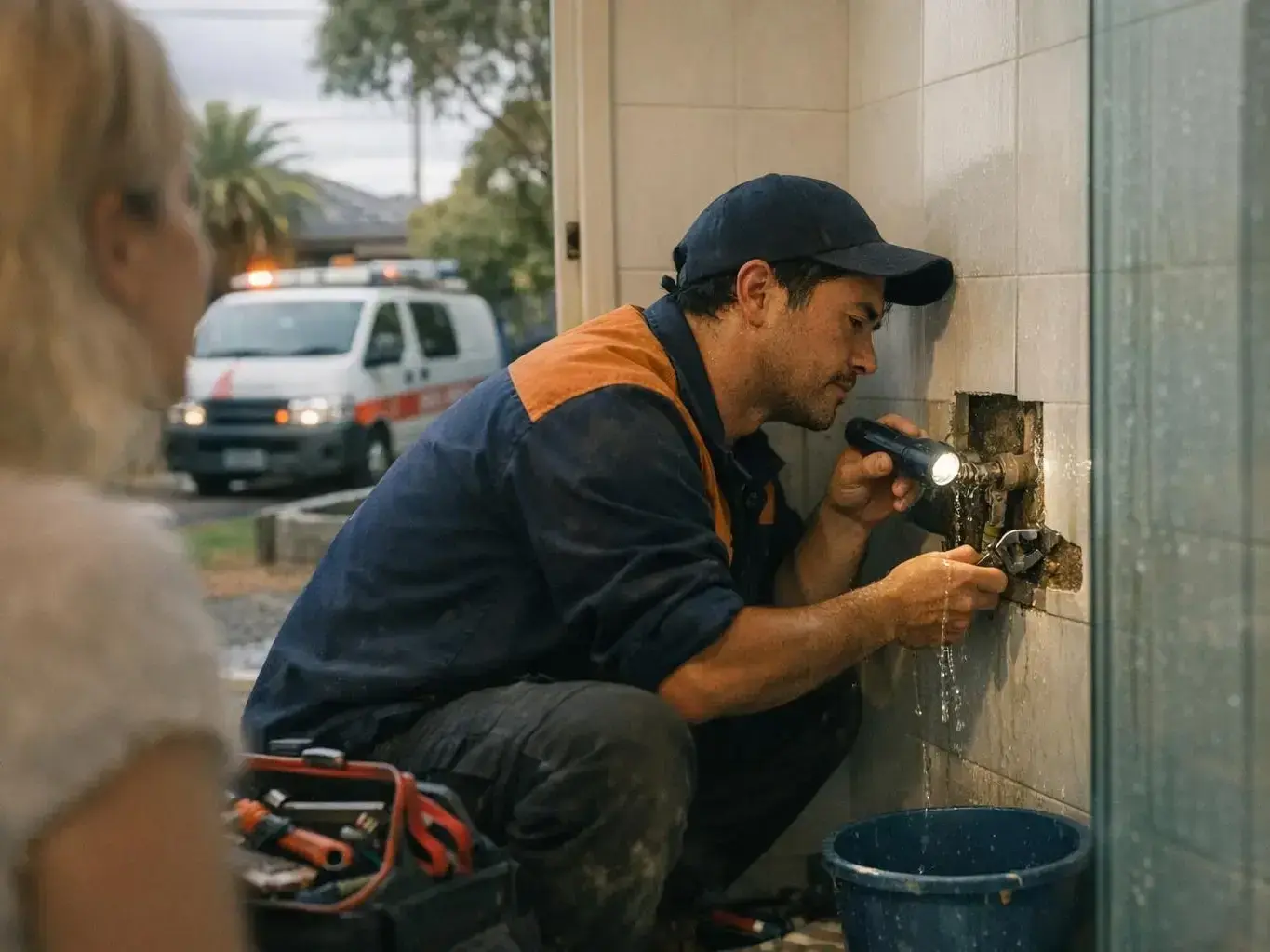
How to Evaluate Pressure Reducing Valve?

Related Concepts Compared

Pressure Reducing Valve vs. Pressure Relief Valve

A Pressure Relief Valve releases excess pressure to prevent explosions. While a Pressure Reducing Valve lowers and stabilises pressure for everyday use.

Pressure Reducing Valve vs. Shutoff Valve

A Shutoff Valve turns water flow on or off. While a Pressure Reducing Valve controls the pressure level without stopping the flow.

Pressure Reducing Valve vs. Water Hammer Arrestor

A Water Hammer Arrestor absorbs shock waves in pipes. While a Pressure Reducing Valve prevents high pressure that can cause water hammer.

Expert Note

A Pressure Reducing Valve needs occasional maintenance to work properly. Over time, debris can build up inside. Or the spring can weaken, causing pressure to creep up. A quick test with a gauge every few years can catch problems before they cause leaks or bursts.

Common Mistakes or Myths About Pressure Reducing Valve

  • Assuming a PRV is the same as a shutoff valve—it controls pressure, not just flow.
  • Ignoring signs of high pressure like dripping taps or noisy pipes, which can lead to bigger problems.
  • Forgetting to test the PRV regularly—over time, it can wear out and stop working properly.
  • Installing a PRV without checking the incoming pressure first—it might not be needed or might need adjustment.

Pressure Reducing Valve in Practice: A Real-World Example

In a Melbourne home, the main water pressure from the street was 750 kPa, causing taps to splash and pipes to rattle. After installing a Pressure Reducing Valve set to 450 kPa, the taps flowed smoothly, water hammer stopped. And the hot water system lasted longer without leaks.

Sources & Further Reading on Pressure Reducing Valve

Related Services

Related Terms

Water Pressure Regulator

Water Pressure Regulator is water Pressure Regulators are mechanical devices installed on water supply lines to reduce and stabilise high incoming water pressure to a safe, consistent level for household plumbing. They prevent damage to pipes, fittings. And appliances by automatically adjusting pressure before water enters taps, showers. Or toilets, ensuring reliable performance and longevity of plumbing systems.

Shutoff Valve

Shutoff Valve is a small mechanical device installed on water or gas pipes to quickly stop the flow of liquid or gas. Shutoff valves allow homeowners or plumbers to isolate a single fixture, appliance. Or section of piping without turning off the entire supply, making repairs safer and faster.

Water Hammer

Water Hammer is a loud banging or knocking noise that occurs in plumbing pipes when moving water is suddenly forced to stop or change direction. This sudden stop creates a pressure surge. Or shockwave, that travels through the pipes, causing them to vibrate and produce the characteristic hammering sound. Water Hammer can damage pipes, joints. And fixtures over time if not addressed.

Hydrostatic Pressure Test

Hydrostatic Pressure Test is a method used to check the strength and leaks in pipes, tanks. Or plumbing systems by filling them with water and applying pressure. The test ensures the system can safely handle normal operating pressure without failing or leaking, often required after repairs, installations. Or as part of routine inspections.

Ball Valve

Ball Valve is a mechanical device that controls the flow of liquids or gases in a pipe using a hollow, perforated ball that rotates inside the valve body. When the ball’s hole aligns with the pipe, flow passes; when turned 90 degrees, the solid side of the ball blocks the pipe completely, stopping flow quickly and reliably.

EmergencyPlumberMelbourne.au

Have Questions About Pressure Reducing Valve?

Contact EmergencyPlumberMelbourne.au for practical guidance on Pressure Reducing Valve and related emergency plumber work in Melbourne.

+61 468 067 166