Glossary

What is Vent Stack?

Vent Stack is a vertical pipe that runs through a building’s plumbing system and extends above the roof, allowing sewer gases to escape safely outside while also letting fresh air into the drains. This keeps water flowing smoothly in sinks, toilets. And showers and prevents dangerous gas buildup inside the home.

Sources reviewed: National Construction Code (NCC) 2022, Volume Three – Plumbing Code of Australia, Plumbing Industry Commission Victoria – Technical Solution Sheets

Quick Facts About Vent Stack

Category

Plumbing vent system

Used for

Sewer gas escape and drain air-pressure balance

Common confusion

Often mistaken for a chimney or extra drain pipe

Also called

soil vent pipe, plumbing vent

Often discussed with

Blocked Drain Clearing, Drain Camera Inspection

Key Takeaways About Vent Stack

Understanding Vent Stack
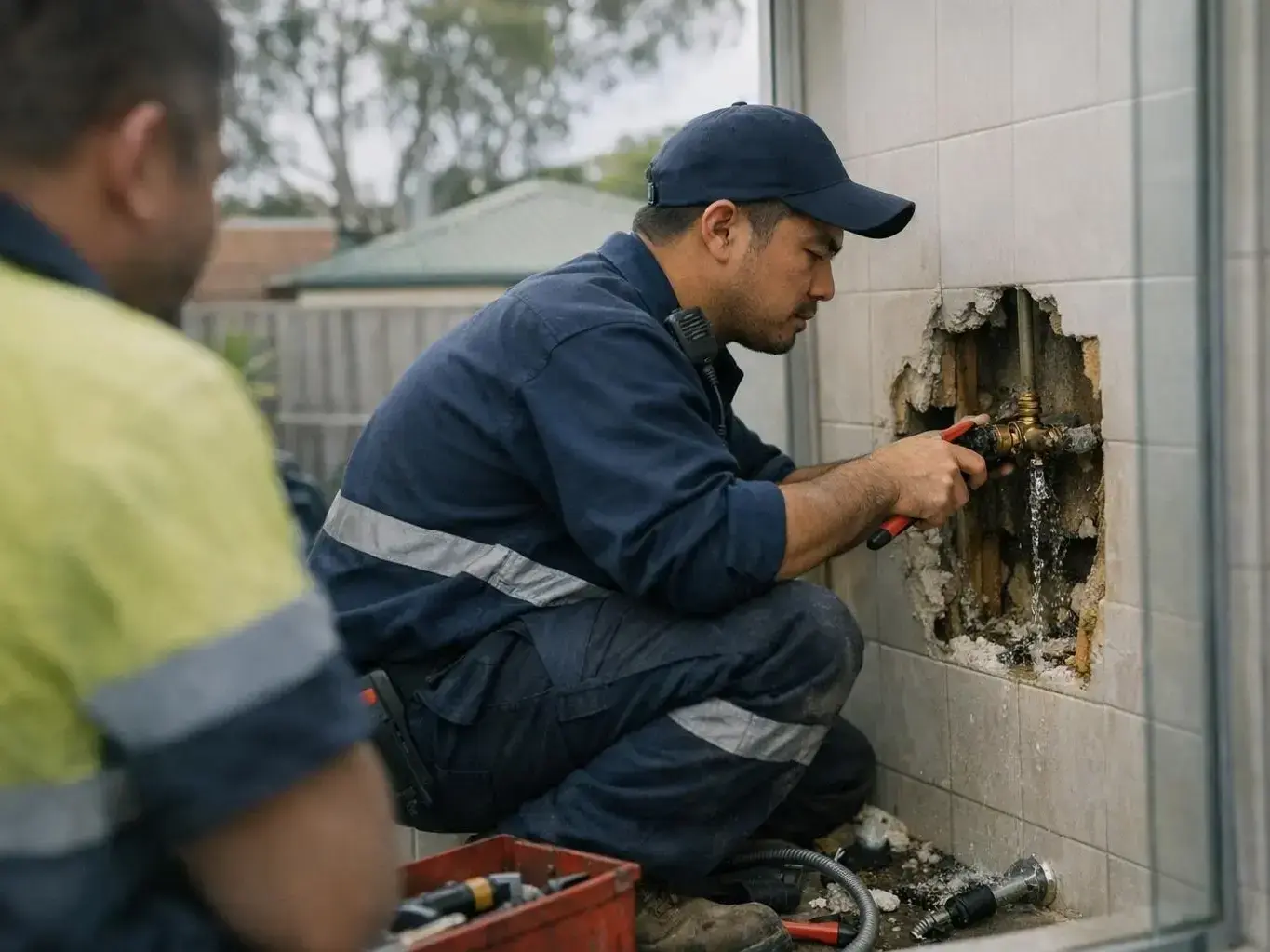
Vent Stack in Emergency Plumber—Melbourne

A vent stack is a straight pipe. It goes up and down. It connects every drain in a house to the air outside.

Related glossary terms: Plumbing Trap, Main Sewer Line, Sewer Gas.

It lets bad gases escape. These gases come from the sewer. They go out above the roof.

It also lets fresh air into the pipes. This helps water flow smoothly. Water moves through sinks, showers. And toilets.

Without air, water traps dry out. Water traps are under sinks and toilets. They keep sewer gas out of your home.

In Melbourne, vent stacks must follow rules. These rules come from the National Construction Code. Local councils also have rules.

The rules say how tall the pipe must be. They say how far it must be from windows and doors. They also say what materials to use.

Most vent stacks are made of PVC. Some are made of copper. They usually connect near the middle of the house.

How Vent Stack Works?

A vent stack works like a breathing tube. It helps the plumbing system. It lets air in when water drains.

Water rushing down a drain creates a vacuum. This vacuum pulls water from traps. Without a vent, traps lose their water.

The vent lets air rush in. This keeps traps full. The seal stays strong and keeps gas out.

The pipe also carries sewer gases up. It releases them above the roof. This keeps gases out of your home.

Warm gases rise up the vent stack. They don’t leak into bathrooms or kitchens. The top has a screen or cap.

The screen keeps leaves and birds out. It also keeps rain out. But it still lets gases escape.

Why Vent Stack Matters?

A working vent stack keeps homes safe. It stops sewer gases from getting inside. These gases can make people sick.

Some gases can even explode. The vent stack keeps them out. It also keeps drains quiet and fast.

Without a vent, sinks gurgle. Toilets flush slowly. Showers drain too slow.

For plumbers, a clear vent means fewer calls. Homeowners save money. They also get better air.

Older Melbourne homes can have problems. Leaves or rust can block the vent. This causes noises or bad smells.

Regular checks help catch problems. You can fix them early. This keeps your home safe.

When Vent Stack Matters Most?

Vent stacks matter most at three times. First, when building a new home. Next, when remodeling kitchens or bathrooms.

Last, when drains act strange. Builders must include a vent stack. They must size it right for the home.

Remodels may need vent changes. New sinks or showers need vents too. The vent must meet code rules.

If drains gurgle, the vent may be blocked. Toilets may flush slowly. Bad smells may linger.

Winter frost can block the vent. Autumn leaves can clog it too. A roof check can help.

A plumber can use a camera. They can see if the vent is blocked. This tells you what’s wrong.

How to Evaluate Vent Stack?

Related Concepts Compared

Vent Stack vs. Plumbing Trap

A plumbing trap is a U-shaped pipe under sinks and toilets that holds water to block sewer gas. The vent stack lets air into the system so the trap’s water seal stays intact.

Vent Stack vs. Main Sewer Line

The main sewer line carries wastewater from the house to the street. The vent stack carries gases and air above the roof, not wastewater.

Expert Note

In Melbourne’s older terrace houses, vent stacks are often hidden inside chimney chases. When renovating, always confirm the vent stack is still clear and properly connected—it’s easy to accidentally seal it off during roof work.

Common Mistakes or Myths About Vent Stack

  • Sealing the vent stack during roof repairs, which stops gases from escaping.
  • Using a vent stack that is too small, causing slow drains and gurgling noises.
  • Letting leaves or bird nests block the top of the vent stack, leading to bad smells indoors.
  • Thinking the vent stack is a drain pipe and sending wastewater up it, which causes leaks and blockages.
  • Ignoring gurgling drains, assuming they will fix themselves instead of checking the vent stack first.

Vent Stack in Practice: A Real-World Example

In a typical Melbourne double-storey home, the vent stack starts in the basement or ground floor, runs straight up through the bathroom walls. And pokes through the roof near the ridge. It connects to every drain in the house, letting air in so the downstairs toilet flushes quickly and the upstairs shower drains without gurgling.

Sources & Further Reading on Vent Stack

Related Services

Related Terms

Plumbing Trap

Plumbing Trap is a curved section of pipe designed to hold a small amount of water, creating a seal that blocks sewer gases from entering buildings while allowing waste to pass through. Common types include P-traps, S-traps.

Main Sewer Line

Main Sewer Line is the large underground pipe that carries wastewater and sewage from a home or building’s plumbing system to the municipal sewer system or a private septic tank. It's the primary conduit for all drainage, including toilets, sinks, showers. And appliances, ensuring waste is safely transported away from the property.

Sewer Gas

Sewer Gas is a mix of toxic and non-toxic gases that form when waste breaks down in sewer pipes or septic tanks. It includes methane, hydrogen sulfide, ammonia. And carbon dioxide. Sewer Gas can leak into homes through dry plumbing traps, cracked pipes. Or poor venting, posing health risks and fire hazards if not managed properly.

Building Code of Australia

Building Code of Australia is the set of technical rules that govern how buildings and plumbing systems must be designed, constructed. And maintained across Australia. It ensures safety, health, accessibility. And sustainability in construction, covering everything from structural integrity to water supply, drainage. And fire safety. The code is legally enforceable and updated regularly to reflect new standards and technologies.

National Construction Code

National Construction Code is Australia’s performance-based set of technical rules that govern how new buildings, plumbing. And drainage systems must be designed, constructed. And maintained to ensure safety, health. And sustainability. It combines building and plumbing standards into one document updated every three years by the Australian Building Codes Board.

EmergencyPlumberMelbourne.au

Have Questions About Vent Stack?

Contact EmergencyPlumberMelbourne.au for practical guidance on Vent Stack and related emergency plumber work in Melbourne.

+61 468 067 166