Glossary

What is Building Code of Australia?

Building Code of Australia is the set of technical rules that govern how buildings and plumbing systems must be designed, constructed. And maintained across Australia. It ensures safety, health, accessibility. And sustainability in construction, covering everything from structural integrity to water supply, drainage. And fire safety. The code is legally enforceable and updated regularly to reflect new standards and technologies.

Sources reviewed: Australian Building Codes Board (ABCB), Victorian Building Authority

Quick Facts About Building Code of Australia

Category

National construction regulation

Used for

Building and plumbing compliance

Common confusion

Often mistaken for local council rules. But it is Australia-wide

Also called

BCA

Often discussed with

Burst Pipe Repair, Emergency Water Shut Off

Key Takeaways About Building Code of Australia

Understanding Building Code of Australia
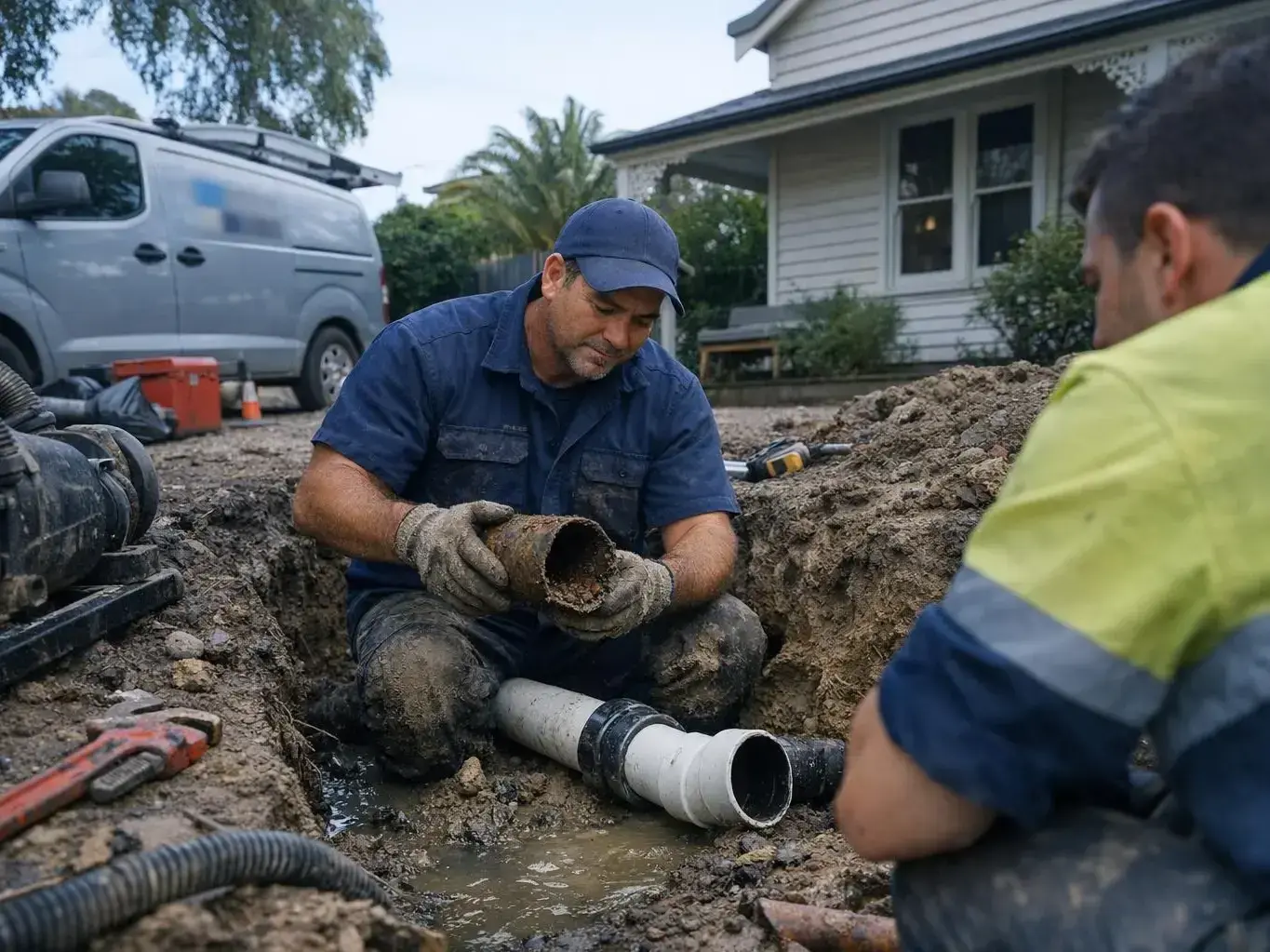
Building Code of Australia in Emergency Plumber—Melbourne

The Building Code of Australia (BCA) is the national set of technical requirements for the design, construction. And performance of buildings and plumbing systems. It's part of the National Construction Code (NCC), which is produced by the Australian Building Codes Board (ABCB). The BCA ensures that buildings are safe, healthy. And accessible for everyone who uses them. This includes rules for structural stability, fire safety, insulation, ventilation. And plumbing systems like water supply, drainage. And gas installations.

Related glossary terms: National Construction Code, Certified Plumber, Backflow Prevention.

The BCA is not just a suggestion—it is a legal requirement. All new buildings, major renovations. And plumbing work must comply with its standards. State and territory governments, including Victoria, adopt the BCA into their local building laws. This means that whether you're building a new home, adding a bathroom. Or repairing a burst pipe, the work must meet the BCA’s minimum standards. The code is updated every few years to keep up with advancements in building science, new materials. And changes in community expectations.

How Building Code of Australia Works?

The Building Code of Australia is divided into volumes, with Volume Three covering plumbing and drainage. This volume sets out the rules for how plumbing systems must be installed, tested. And maintained. For example, it specifies the types of pipes that can be used, how waste water must be drained. And how backflow prevention devices must be installed to protect drinking water. It also includes requirements for gas installations, hot water systems. And roof drainage.

To ensure compliance, builders, plumbers. And inspectors refer to the BCA during the design, construction. And approval stages. Plans must be submitted to local councils or private certifiers, who check that the proposed work meets the code. Inspections are carried out at key stages, such as before concrete is poured for foundations or before walls are closed up. If a plumbing system doesn't meet the BCA, it may need to be fixed or removed before the building can be approved for use.

The BCA also includes performance-based alternatives to its prescriptive rules. This means that if a builder or plumber can prove that an alternative method, material. Or design meets the same safety and performance outcomes, it may be approved. But these alternatives must be supported by evidence, such as engineering reports or product testing.

Why Building Code of Australia Matters?

The Building Code of Australia matters because it protects people and property. Without these rules, buildings could be unsafe, unhealthy. Or inefficient. For example, poorly installed plumbing could lead to water leaks, sewer gas entering homes. Or contamination of drinking water. The BCA’s rules for drainage and ventilation help prevent these problems by ensuring that waste water is properly removed and that harmful gases are safely vented outside.

The code also promotes sustainability and energy efficiency. It includes requirements for insulation, water-saving fixtures. And efficient hot water systems. These rules help reduce energy and water use, lowering utility bills and environmental impact. And the BCA ensures that buildings are accessible to people with disabilities, such as by requiring ramps, wider doorways. And accessible bathrooms in public buildings.

When Building Code of Australia Matters Most?

The Building Code of Australia matters most during construction, renovation. Or major plumbing work. For example, if you are building a new home, adding a second bathroom. Or replacing a hot water system, the work must comply with the BCA. It also matters when buying or selling a property, as non-compliant work can cause delays, extra costs. Or even legal issues. For instance, if a plumber installs a drainage system that does not meet the BCA, the local council may require it to be redone before approving the work.

In practice, In emergencies, such as a burst pipe or gas leak, the BCA still applies. Emergency plumbers must ensure that repairs meet the code’s standards to prevent further problems. For example, if a pipe bursts and damages the drainage system, the plumber must not only fix the immediate issue but also ensure that the repaired system complies with the BCA’s rules for slope, venting. And pipe materials. Ignoring these rules could lead to recurring blockages, leaks. Or even health hazards like mould or sewer gas buildup.

The BCA also matters during inspections and approvals. Local councils or private certifiers check that plumbing work complies with the code before issuing occupancy permits or final approvals. If work is found to be non-compliant, it may need to be fixed or removed, which can be costly and time-consuming. For this reason, What matters is to hire licensed plumbers who understand and follow the BCA’s requirements.
How to Evaluate Building Code of Australia?

Related Concepts Compared

Building Code of Australia vs. National Construction Code (NCC)

The Building Code of Australia is part of the National Construction Code. The NCC includes the BCA as well as rules for energy efficiency and plumbing.

Building Code of Australia vs. Local council building rules

Local councils may have additional rules. But they cannot override the Building Code of Australia, which sets the minimum standards for the whole country.

Expert Note

The Building Code of Australia is not just about following rules—it’s about ensuring that plumbing systems work reliably for years. Even small mistakes, like incorrect pipe slopes or missing vents, can cause major problems later. Always verify compliance during construction, not just at the end.

Common Mistakes or Myths About Building Code of Australia

  • Assuming local council rules replace the Building Code of Australia—councils enforce the BCA but cannot lower its standards.
  • Using uncertified materials or methods that do not meet the BCA’s requirements, which can lead to costly rework.
  • Ignoring drainage slopes or venting requirements, causing slow drains or sewer gas buildup.
  • Skipping inspections, which can result in non-compliant work being discovered too late, leading to delays and extra costs.

Building Code of Australia in Practice: A Real-World Example

A homeowner in Melbourne decides to add a second bathroom to their house. The plumber installs new pipes for the toilet, sink. And shower. But forgets to include a vent pipe as required by the Building Code of Australia. Without the vent, sewer gases can build up, causing foul odours and potential health risks. The local council inspector notices the missing vent during a final inspection and requires the plumber to redo the work before approving the bathroom for use.

Sources & Further Reading on Building Code of Australia

  • Australian Building Codes Board (ABCB)
  • Victorian Building Authority
  • National Construction Code (NCC)

Related Services

Related Terms

National Construction Code

National Construction Code is Australia’s performance-based set of technical rules that govern how new buildings, plumbing. And drainage systems must be designed, constructed. And maintained to ensure safety, health. And sustainability. It combines building and plumbing standards into one document updated every three years by the Australian Building Codes Board.

Certified Plumber

Certified Plumber is a licensed tradesperson who has completed formal training, passed government exams. And met legal requirements to install, repair. And maintain plumbing systems in homes and businesses. Certified Plumbers hold a valid plumbing registration issued by the Victorian Building Authority (VBA) and must follow strict safety and quality standards.

Backflow Prevention

Backflow Prevention is a safety measure that stops contaminated water from flowing backward into clean water supplies. It uses valves, air gaps. Or other devices to block reverse flow caused by pressure changes in plumbing systems. Without it, harmful substances like chemicals, bacteria.

Hydrostatic Pressure Test

Hydrostatic Pressure Test is a method used to check the strength and leaks in pipes, tanks. Or plumbing systems by filling them with water and applying pressure. The test ensures the system can safely handle normal operating pressure without failing or leaking, often required after repairs, installations. Or as part of routine inspections.

Vent Stack

Vent Stack is a vertical pipe that runs through a building’s plumbing system and extends above the roof, allowing sewer gases to escape safely outside while also letting fresh air into the drains. This keeps water flowing smoothly in sinks, toilets. And showers and prevents dangerous gas buildup inside the home.

EmergencyPlumberMelbourne.au

Have Questions About Building Code of Australia?

Contact EmergencyPlumberMelbourne.au for practical guidance on Building Code of Australia and related emergency plumber work in Melbourne.

+61 468 067 166