Glossary

What is Wax Ring?

Wax Ring is a soft, pliable seal made from petroleum-based wax and sometimes rubber additives, designed to create a watertight barrier between a toilet and the drain pipe flange. Wax rings prevent water, sewer gas. And waste from leaking into the bathroom floor while anchoring the toilet securely to the plumbing system.

Sources reviewed: Plumbing Code of Australia (NCC Volume Three), Master Plumbers Association of Australia

Quick Facts About Wax Ring

Category

Plumbing seal

Used for

Toilet installation and repair

Common confusion

Often mistaken for plumber’s putty or rubber gaskets

Also called

Toilet wax seal, Wax toilet gasket

Often discussed with

Toilet Leak Repair, Residential Plumbing Emergency

Key Takeaways About Wax Ring

Understanding Wax Ring
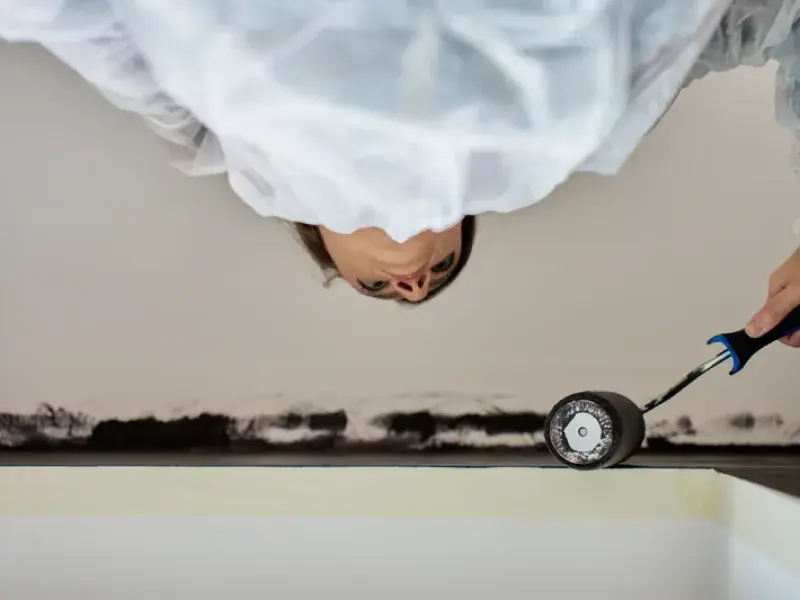
Wax Ring in Emergency Plumber—Melbourne

A wax ring is small. But it's key for plumbing in homes and businesses.

Related glossary terms: Plumbing Trap, Main Sewer Line, Sewer Gas.

It sits between the toilet and the drain pipe flange. The flange is in the bathroom floor.

The wax ring squishes when you bolt the toilet down. This fills gaps and makes a tight seal.

The seal stops water from leaking onto the floor. It also blocks bad smells from sewer gases.

Without a good wax ring, toilets can rock or leak. They may also smell bad.

Most wax rings mix beeswax and other wax. Some have a rubber core or plastic sleeve.

The wax is soft at room temperature. It molds to fit the flange or toilet base.

Some rings have a foam gasket or plastic collar. These help with alignment and keep wax out of the drain.

Wax rings are simple. But they keep bathrooms clean and leak-free.

How Wax Ring Works?

When you install a toilet, put the wax ring on the flange. The flange is the drain pipe part.

Then lower the toilet onto the flange. The wax ring squishes between them.

The wax spreads out as it squishes. It fills small gaps in the flange or toilet base.

This makes a seal that keeps water and waste in. It also blocks sewer gases.

These gases can smell bad. They can also be harmful.

A good wax ring needs proper setup. The toilet must be level and bolted tight.

If the toilet isn't level, the wax won't seal right. This can cause leaks or wobbles.

Some wax rings have a plastic sleeve. Others have a foam collar.

These help guide the toilet into place. They also stop wax from going too far into the drain.

This is helpful for DIY jobs. Aligning the toilet can be hard.

Why Wax Ring Matters?

A good wax ring stops water damage. It also keeps the air clean.

If the wax ring fails, water can leak. This can rot the floor or cause mold.

Fixing this can cost a lot. You might need new floors or supports.

Bad seals can also let sewer gases leak. These gases smell bad and can make you sick.

They have methane and hydrogen sulfide.

Wax rings help keep toilets steady. A good seal stops rocking or shifting.

This is important in busy bathrooms. Frequent use can make small problems worse.

Wax rings are cheap and easy to replace. But they help plumbing work well and safely.

When Wax Ring Matters Most?

Wax rings matter most when you install or fix a toilet. Always replace the wax ring then.

If you take a toilet out, replace the wax ring. Don't reuse the old one.

Old wax may not seal well. This can cause leaks.

If a toilet rocks, leaks. Or smells, check the wax ring. It might be bad.

In Melbourne, some homes have old or uneven flanges. Thick wax rings or rubber cores help here.

Plumbers may suggest a wax-free rubber gasket. This works if the flange isn't level with the floor.

These options are flexible and strong. They seal well even in tough spots.

Check the toilet base and floor often. This can catch wax ring problems early.

Fixing them early stops bigger damage.
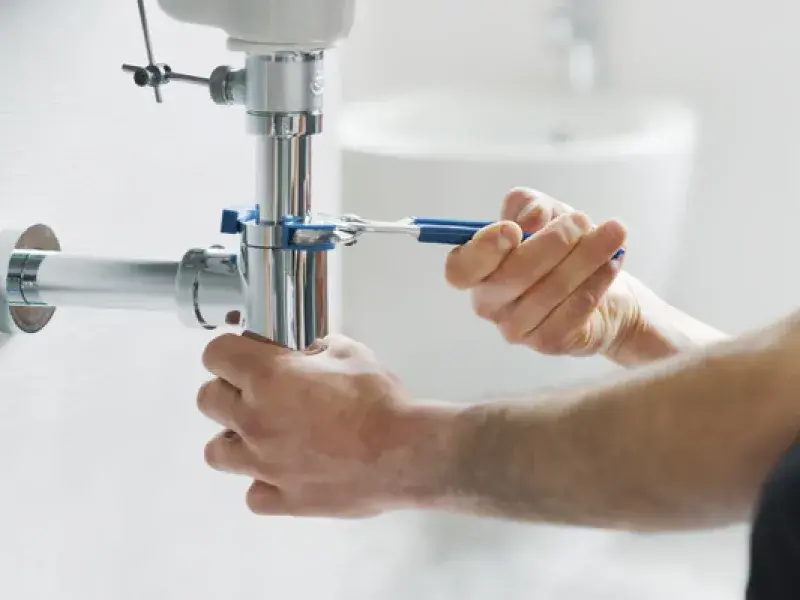
How to Evaluate Wax Ring?

Related Concepts Compared

Wax Ring vs. Plumber’s Putty

Plumber’s putty is a soft, mouldable sealant used for sinks, drains. And faucets. While wax rings are specifically designed for toilets and drain pipe flanges.

Wax Ring vs. Rubber Gasket

Rubber gaskets are wax-free alternatives for toilet seals, offering easier installation and reusability. But may not conform to irregular flanges as effectively as wax rings.

Expert Note

While wax rings are reliable, they are single-use components. Always replace the wax ring when reinstalling a toilet, even if the old one appears intact, to ensure a proper seal and prevent future leaks.

Common Mistakes or Myths About Wax Ring

  • Reusing an old wax ring when reinstalling a toilet, which can lead to leaks.
  • Using plumber’s putty instead of a wax ring for toilet installations, which does not provide a proper seal.
  • Over-tightening the toilet bolts, which can crack the toilet or damage the flange.
  • Failing to centre the wax ring on the flange, causing uneven compression and leaks.
  • Ignoring a rocking toilet, which can damage the wax ring and lead to leaks over time.

Wax Ring in Practice: A Real-World Example

During a bathroom renovation in a Melbourne home, the plumber removed the toilet to replace the flooring. After reinstalling the toilet, they noticed a slight leak at the base. Upon inspection, the wax ring had not been replaced. And the old wax had hardened, preventing a proper seal. The plumber installed a new wax ring with a plastic sleeve, which resolved the leak and stabilised the toilet.

Sources & Further Reading on Wax Ring

Related Services

Related Terms

Plumbing Trap

Plumbing Trap is a curved section of pipe designed to hold a small amount of water, creating a seal that blocks sewer gases from entering buildings while allowing waste to pass through. Common types include P-traps, S-traps.

Main Sewer Line

Main Sewer Line is the large underground pipe that carries wastewater and sewage from a home or building’s plumbing system to the municipal sewer system or a private septic tank. It's the primary conduit for all drainage, including toilets, sinks, showers. And appliances, ensuring waste is safely transported away from the property.

Sewer Gas

Sewer Gas is a mix of toxic and non-toxic gases that form when waste breaks down in sewer pipes or septic tanks. It includes methane, hydrogen sulfide, ammonia. And carbon dioxide. Sewer Gas can leak into homes through dry plumbing traps, cracked pipes. Or poor venting, posing health risks and fire hazards if not managed properly.

Plumber's Putty

Plumber's Putty is a soft, malleable sealing compound used by plumbers to create watertight seals around fixtures like sinks, faucets. And drains. It remains pliable for years, preventing leaks without hardening or cracking. And is designed for areas not exposed to high water pressure or direct water flow.

Sewer Line Cleanout

Sewer Line Cleanout is a capped access pipe installed in a sewer line that allows plumbers to insert tools for clearing blockages, inspecting pipes. Or performing maintenance without digging up the yard. It's typically located near the home’s foundation or where the sewer line exits the property, providing a direct entry point to the main sewer system.

EmergencyPlumberMelbourne.au

Have Questions About Wax Ring?

Contact EmergencyPlumberMelbourne.au for practical guidance on Wax Ring and related emergency plumber work in Melbourne.

+61 468 067 166