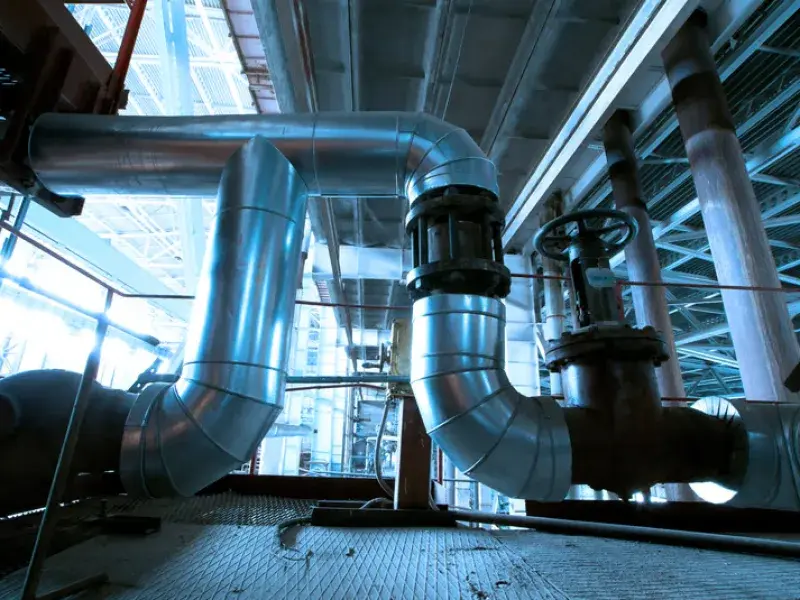
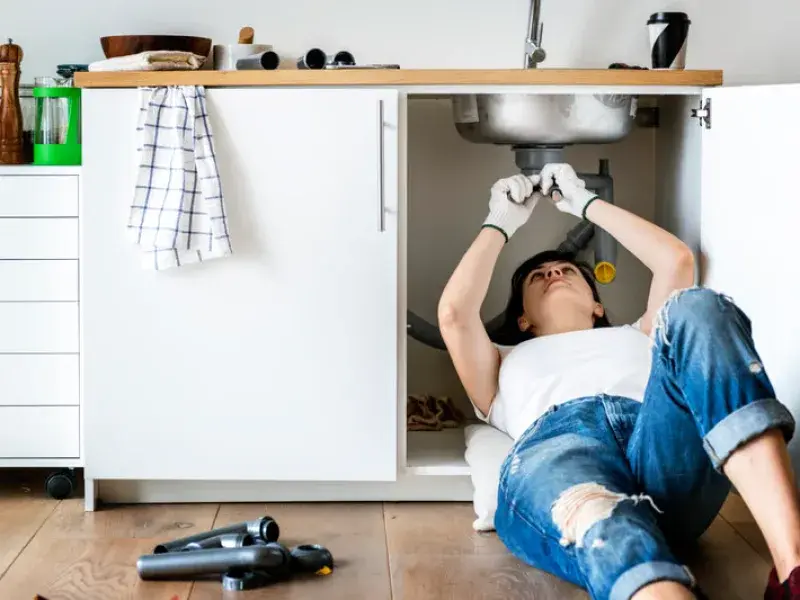
Copper Pipe is a rigid, corrosion-resistant metal tube used to carry drinking water, hot water, natural gas. And refrigerant in residential, commercial. And industrial plumbing systems. Copper Pipe is durable, easy to join with solder or compression fittings. And meets Australian plumbing standards for safety and longevity.
Category
Metal plumbing pipe
Used for
Water supply, gas lines, HVAC refrigerant
Common confusion
Often mistaken for brass or galvanized steel pipe
Also called
Copper tubing, Copper water pipe
Often discussed with
Burst Pipe Repair, Pipe Replacement

Copper pipe is used in many places. Homes, hospitals, schools. And factories use it. It does not rust like steel or plastic.
Related glossary terms: PEX Pipe, PVC Pipe, Soldering.
Water and air don't hurt copper. This makes it good for drinking water. It also works for hot water and gas.
Copper pipe comes in straight sticks or bendy coils. Plumbers can shape it around corners. They don't need many joints.
Copper stops bacteria too. This keeps water clean and safe.
In Australia, copper pipe must follow strict rules. The National Construction Code sets these rules. So does Australian Standards (AS/NZS 3500).
These rules make sure pipes are thick and strong. They also keep drinking water safe. Pipes have labels with sizes like 15 mm or 22 mm.
These sizes tell the pipe's outside width. The wall thickness changes too. Type A is the thickest. It's best for underground use.
Type B and C are for indoor plumbing.
Copper pipe is measured by its outside width. Other pipes use inside width. A 15 mm pipe is 15 mm wide outside.
Homes often use 15 mm and 22 mm pipes. Bigger buildings may need 28 mm or 35 mm pipes.
The wall thickness matters too. Type A has the thickest walls. It's used underground or for high pressure.
Type B has medium thickness. It's most common inside homes. Type C is thin. It's for low pressure like drains.
Joining copper pipe needs special tools. Plumbers use soldering (melting metal) to seal joints. This keeps water from leaking.
Another way is compression fittings. These use a ring and nut to squeeze the pipe. Both ways must be done right to stop leaks.
Plumbers can bend copper pipe too. This means fewer fittings. Fewer fittings mean fewer leaks.
But bending too sharp can hurt the pipe. Plumbers follow rules for safe bends.
Copper pipe is important for safety and cost. A good copper system can last 50 years. This means fewer repairs.
Copper doesn't rust. This stops leaks. Leaks can cause water damage or mold.
Copper is good for heat. It works well for hot water and heating. Sunlight or heat won't hurt it.
This makes it good inside and outside.
Copper doesn't add bad stuff to water. Some old pipes like lead can. Copper is safe for drinking water.
Homes, schools. And hospitals use it. Water quality is very important there. Copper can be recycled too.
This is better for the earth. Other materials often go to dumps.
Copper pipe is key for safety and rules. Builders use it in new homes. It follows Australian building codes.
In old homes, copper can replace bad pipes. This stops leaks and makes water better. Restaurants and hospitals need copper too.
Their pipes must handle lots of use. They must also meet health rules.
Copper is good for fixes and updates. If a pipe breaks, copper is quick to put in. It's less likely to break again.
In Melbourne, water can be hard. Copper stops scale buildup. This keeps pipes from clogging.
But copper can cost more. Homeowners must think about this. The long-term benefits can be worth it.
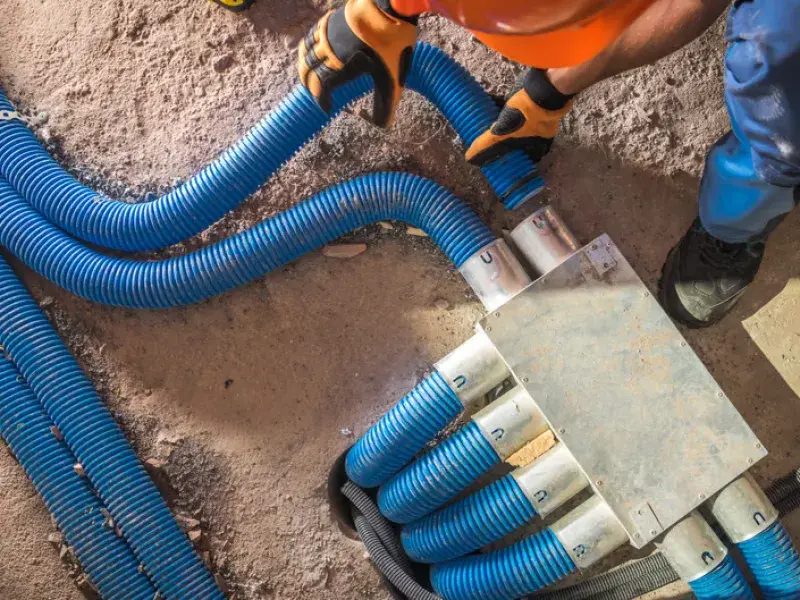
PEX Pipe is flexible plastic tubing. While Copper Pipe is rigid metal. PEX is easier to install but may not last as long in high-temperature or outdoor applications.
PVC Pipe is used for drainage and waste lines. While Copper Pipe is used for water supply and gas lines. PVC is cheaper but not suitable for hot water or high pressure.
While copper is highly durable, it can react with certain water chemistries, leading to pinhole leaks. In areas with acidic or highly chlorinated water, a protective lining or alternative pipe material may be needed.
A Melbourne homeowner notices low water pressure in their kitchen tap. A plumber inspects the pipes and finds that the old galvanized steel pipes have corroded inside. The plumber replaces the corroded sections with Copper Pipe, restoring water flow and preventing future rust-related clogs.
PEX Pipe is a flexible plastic plumbing tube made from cross-linked polyethylene. PEX Pipe resists scale, chlorine. And freezing better than copper or PVC. PEX Pipe connects with crimp rings, clamp rings. Or push fittings, eliminating soldering or glue. PEX Pipe is widely used in hot and cold water supply lines in homes and commercial buildings.
PVC Pipe is a lightweight, durable plastic pipe made from polyvinyl chloride, commonly used in plumbing, drainage. And irrigation systems. PVC Pipe resists corrosion, chemicals. And high water pressure, making it a reliable choice for both residential and commercial applications. It comes in various sizes and thicknesses to suit different plumbing needs.
Soldering is a joining process used in plumbing and metalwork where a filler metal called solder is melted and applied to heated metal parts, creating a strong, leak-proof bond as it cools. Soldering is essential for connecting copper pipes, fittings. And fixtures in water supply and drainage systems, ensuring durable and watertight seals without damaging the base metals.
National Construction Code is Australia’s performance-based set of technical rules that govern how new buildings, plumbing. And drainage systems must be designed, constructed. And maintained to ensure safety, health. And sustainability. It combines building and plumbing standards into one document updated every three years by the Australian Building Codes Board.
Hydrostatic Pressure Test is a method used to check the strength and leaks in pipes, tanks. Or plumbing systems by filling them with water and applying pressure. The test ensures the system can safely handle normal operating pressure without failing or leaking, often required after repairs, installations. Or as part of routine inspections.
EmergencyPlumberMelbourne.au
Contact EmergencyPlumberMelbourne.au for practical guidance on Copper Pipe and related emergency plumber work in Melbourne.