Glossary

What is PVC Pipe?

PVC Pipe is a lightweight, durable plastic pipe made from polyvinyl chloride, commonly used in plumbing, drainage. And irrigation systems. PVC Pipe resists corrosion, chemicals. And high water pressure, making it a reliable choice for both residential and commercial applications. It comes in various sizes and thicknesses to suit different plumbing needs.

Sources reviewed: Australian Standards AS/NZS 1477, Plumbing Industry Commission Victoria

Quick Facts About PVC Pipe

Category

Plastic plumbing pipe

Used for

Water supply, drainage, sewer lines, irrigation

Common confusion

Often mistaken for ABS Pipe, which is black and used mainly for drainage

Also called

Polyvinyl Chloride Pipe, Plastic Pipe

Often discussed with

Burst Pipe Repair, Pipe Replacement

Key Takeaways About PVC Pipe

Understanding PVC Pipe
PVC Pipe in Emergency Plumber—Melbourne

PVC Pipe is a type of plastic pipe widely used in plumbing and construction. It's made from polyvinyl chloride, a synthetic material known for its strength, durability. And resistance to chemicals and corrosion. Unlike metal pipes, PVC Pipe doesn't rust or degrade over time when exposed to water, making it a popular choice for both indoor and outdoor plumbing systems. It is also lightweight, which makes it easier to handle, cut. And install compared to heavier materials like copper or steel.

Related glossary terms: ABS Pipe, Copper Pipe, PEX Pipe.

PVC Pipe is available in different grades, such as Schedule 40 and Schedule 80, which refer to the thickness of the pipe walls. Schedule 40 is commonly used for general plumbing tasks. While Schedule 80 is thicker and designed for applications requiring higher pressure resistance. The pipe is typically white or grey and comes in standard lengths, usually 3 or 6 metres, which can be cut to fit specific installations. PVC Pipe is joined using solvent cement, which chemically bonds the pipe and fittings together, creating a watertight seal.

How PVC Pipe Is Measured and Used?

PVC Pipe is measured by its nominal diameter, which refers to the inside diameter of the pipe. For example, a 20mm PVC Pipe has an inside diameter of approximately 20mm. Though the exact measurement can vary slightly depending on the pipe's wall thickness. The outside diameter is larger, as it includes the thickness of the pipe walls. This measurement system helps plumbers and builders select the correct pipe size for specific applications, such as connecting to taps, toilets. Or drainage systems.

PVC Pipe is used in a variety of plumbing applications. In residential settings, it is commonly found in drainage systems, sewer lines. And irrigation setups. It is also used for water supply lines in some cases. Though it is not recommended for hot water systems as it can soften under high temperatures. In commercial and industrial settings, PVC Pipe is often used for chemical transport, underground drainage. And ventilation systems due to its resistance to corrosion and chemicals. The pipe is also easy to work with, as it can be cut with a hacksaw or PVC cutter and joined using solvent cement or threaded fittings.

Why PVC Pipe Matters?

PVC Pipe is a critical component in modern plumbing systems because of its reliability and versatility. Its resistance to corrosion and chemicals means it has a long lifespan, often lasting decades without needing replacement. This durability reduces maintenance costs and the risk of leaks or bursts, which can cause water damage and costly repairs. And PVC Pipe is cost-effective compared to metal alternatives, making it an affordable choice for both large-scale construction projects and smaller residential jobs.

Another key advantage of PVC Pipe is its ease of installation. Because it is lightweight and can be joined quickly with solvent cement, it reduces labour time and costs. This is particularly important in emergency plumbing situations, where quick repairs or replacements are needed to prevent further damage. PVC Pipe also meets Australian plumbing standards, ensuring it is safe and suitable for use in homes and businesses across Melbourne and Victoria.

When PVC Pipe Matters Most?

PVC Pipe is especially important in situations where durability, corrosion resistance. And ease of installation are critical. For example, in drainage and sewer systems, PVC Pipe is often the preferred choice because it does not corrode or degrade when exposed to waste water and chemicals. This makes it ideal for underground installations, where replacing pipes would be difficult and expensive. Similarly, in irrigation systems, PVC Pipe is used because it can withstand exposure to water, soil. And outdoor conditions without rusting or breaking down.

PVC Pipe also matters in emergency plumbing repairs. When a pipe bursts or a drainage system fails, PVC Pipe can be quickly installed to restore water flow and prevent further damage. Its lightweight nature and simple joining methods allow plumbers to complete repairs efficiently, reducing downtime for homeowners and businesses. But PVC Pipe is not suitable for all applications. For instance, it should not be used for hot water systems, as high temperatures can cause it to soften and fail. In such cases, alternative materials like copper or CPVC (chlorinated polyvinyl chloride) are used instead.
How to Evaluate PVC Pipe?

Related Concepts Compared

PVC Pipe vs. ABS Pipe

ABS Pipe is black and primarily used for drainage systems. While PVC Pipe is white or grey and used for both water supply and drainage.

PVC Pipe vs. Copper Pipe

Copper Pipe is a metal pipe used for hot and cold water supply. While PVC Pipe is plastic and not suitable for hot water systems.

PVC Pipe vs. PEX Pipe

PEX Pipe is a flexible plastic pipe used for water supply. While PVC Pipe is rigid and used mainly for drainage and irrigation.

Expert Note

PVC Pipe is highly durable but can become brittle over time if exposed to prolonged sunlight. Always use UV-resistant PVC or cover exposed pipes with insulation or paint to extend their lifespan.

Common Mistakes or Myths About PVC Pipe

  • Using PVC Pipe for hot water systems, which can cause the pipe to soften and fail.
  • Mixing PVC and ABS pipes without using the correct transition fittings, leading to leaks.
  • Failing to use primer before applying solvent cement, which can result in weak joints.
  • Ignoring UV exposure, which can make PVC Pipe brittle and prone to cracking over time.
  • Using the wrong schedule (e.g., Schedule 40 instead of Schedule 80) for high-pressure applications.

PVC Pipe in Practice: A Real-World Example

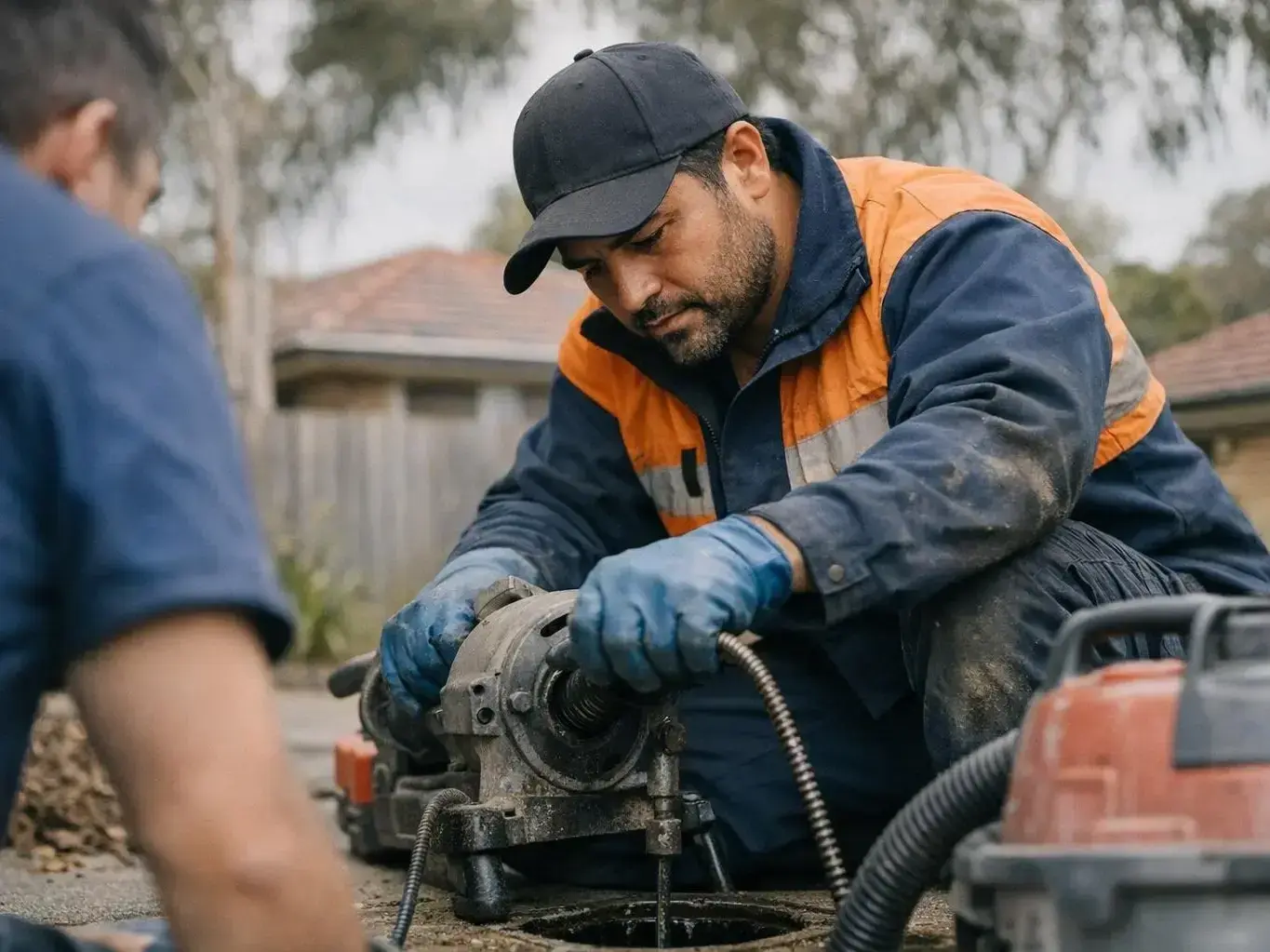
In a Melbourne home, PVC Pipe is often used for underground drainage systems connecting the house to the main sewer line. If a section of the pipe cracks due to ground movement, a plumber can quickly cut out the damaged section and replace it with a new PVC Pipe, ensuring the drainage system remains functional without extensive excavation.

Sources & Further Reading on PVC Pipe

Related Services

Related Terms

ABS Pipe

ABS Pipe is a rigid black plastic pipe made from acrylonitrile butadiene styrene, used mainly for drain, waste. And vent (DWV) systems in homes and buildings. ABS Pipe is lightweight, easy to cut. And resists chemicals and impacts, making it a common choice for underground sewer lines and indoor plumbing in Australia.

Copper Pipe

Copper Pipe is a rigid, corrosion-resistant metal tube used to carry drinking water, hot water, natural gas. And refrigerant in residential, commercial. And industrial plumbing systems. Copper Pipe is durable, easy to join with solder or compression fittings. And meets Australian plumbing standards for safety and longevity.

PEX Pipe

PEX Pipe is a flexible plastic plumbing tube made from cross-linked polyethylene. PEX Pipe resists scale, chlorine. And freezing better than copper or PVC. PEX Pipe connects with crimp rings, clamp rings. Or push fittings, eliminating soldering or glue. PEX Pipe is widely used in hot and cold water supply lines in homes and commercial buildings.

Main Sewer Line

Main Sewer Line is the large underground pipe that carries wastewater and sewage from a home or building’s plumbing system to the municipal sewer system or a private septic tank. It's the primary conduit for all drainage, including toilets, sinks, showers. And appliances, ensuring waste is safely transported away from the property.

Sewer Line Cleanout

Sewer Line Cleanout is a capped access pipe installed in a sewer line that allows plumbers to insert tools for clearing blockages, inspecting pipes. Or performing maintenance without digging up the yard. It's typically located near the home’s foundation or where the sewer line exits the property, providing a direct entry point to the main sewer system.

EmergencyPlumberMelbourne.au

Have Questions About PVC Pipe?

Contact EmergencyPlumberMelbourne.au for practical guidance on PVC Pipe and related emergency plumber work in Melbourne.

+61 468 067 166