Glossary

What is Plumbing Apprentice?

Plumbing Apprentice is a training position where a beginner works under a licensed plumber to learn plumbing skills, safety rules. And Victorian plumbing codes. Apprentices complete paid on-the-job work and formal classroom study over 3 to 4 years to earn a Certificate III in Plumbing, qualifying them to apply for a plumbing license in Melbourne.

Sources reviewed: Victorian Building Authority - Plumbing Registration, Australian Apprenticeships

Quick Facts About Plumbing Apprentice

Category

Vocational training position

Used for

Learning plumbing skills and earning qualifications

Common confusion

Not the same as a plumbing assistant or laborer

Also called

Plumbing Trainee, Apprentice Plumber

Often discussed with

Emergency Water Shut Off, Pipe Replacement

Key Takeaways About Plumbing Apprentice

Understanding Plumbing Apprentice
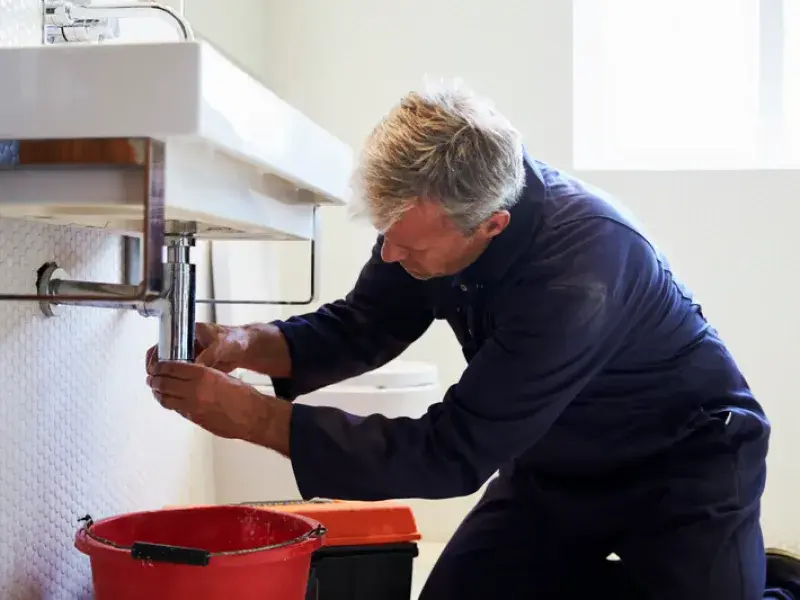
Plumbing Apprentice in Emergency Plumber—Melbourne

A plumbing apprentice learns to become a plumber. They train in a structured program.

Related glossary terms: Certified Plumber, Building Code of Australia, National Construction Code.

An apprentice signs a formal deal. This deal is with an employer and a trainer. It lists work hours, pay. And study needs.

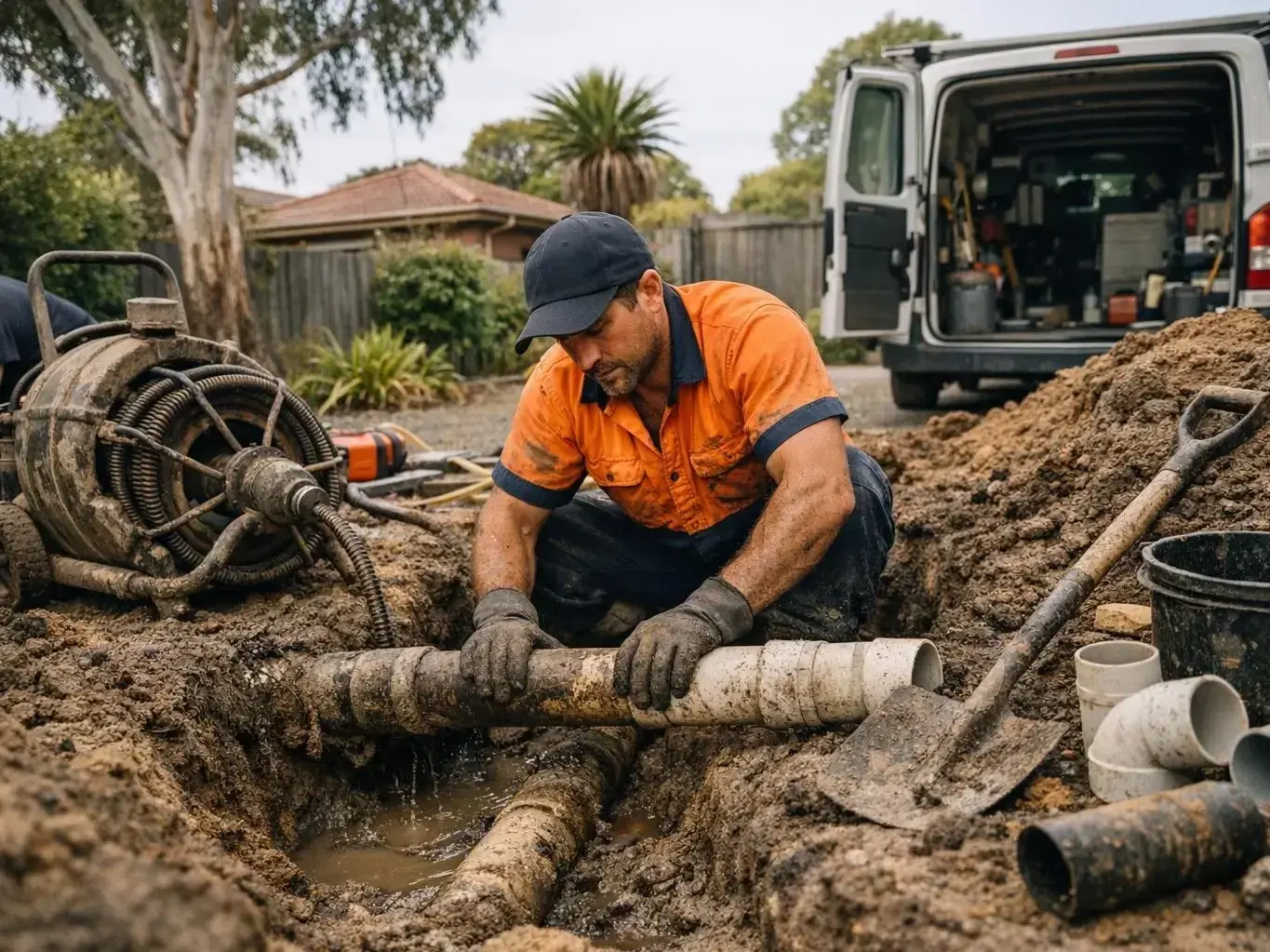
Apprentices work on job sites most of the time. They install pipes and fix leaks. They also maintain plumbing systems. A licensed plumber watches over them.

In Victoria, apprenticeships follow the Australian Apprenticeships system. Apprentices earn money while they learn. Their boss pays for some training costs.

Training mixes hands-on work and classroom lessons. Lessons happen at TAFE or another training group. By the end, apprentices must work safely. They must follow plumbing rules. They must do tasks well.

How Plumbing Apprentice Works?

Apprenticeships in Melbourne last 3 to 4 years. Apprentices work with skilled plumbers. They do real jobs.

Jobs include installing hot water systems. They also fix blocked drains. They connect homes to water supplies.

Each week, apprentices go to training. They go one day a week or in longer blocks. They study plumbing rules and safety.

The trainer checks the apprentice’s work. They use tests, demos. And job checks. For example, an apprentice may install a sink.

They might find a leak in pipes. The boss gives feedback. They sign off on finished work.

At the end, apprentices take a final test. They earn a Certificate III in Plumbing. This certificate lets them apply for a license in Victoria.

Why Plumbing Apprentice Matters?

Apprenticeships help new plumbers learn safe work. They teach skills needed to do the job right.

Without training, workers can make mistakes. Mistakes can cause water leaks or gas leaks. They can even make water unsafe.

Apprentices learn Victorian plumbing codes. These include the National Construction Code. They also learn local water rules.

For apprentices, training leads to a good career. They get steady work and good pay. Once trained, they can work alone.

They can start their own business. They can also specialize in gas or roof work. For bosses, apprentices train new workers.

They pass on skills to new plumbers. This keeps the industry strong.

When Plumbing Apprentice Matters Most?

Apprenticeships matter for those starting a plumbing career. They also help businesses train new workers.

Young people leaving school can choose an apprenticeship. They earn money while learning a trade.

It’s good for people changing careers too. It gives them a clear path into plumbing.

Melbourne plumbing businesses need skilled workers. Apprentices help fill this need. They learn on the job.

As older plumbers retire, apprentices take their place. Bosses can teach them company ways. This shapes future workers.

Apprenticeships matter for following Victorian rules. Only licensed plumbers can do certain jobs. Jobs like installing gas lines or sewer connections.
How to Evaluate Plumbing Apprentice?

Related Concepts Compared

Plumbing Apprentice vs. Plumbing Assistant

A Plumbing Assistant helps with basic tasks like carrying tools or cleaning job sites but does not receive formal training or qualifications. An apprentice, however, is enrolled in a structured program to become a licensed plumber.

Plumbing Apprentice vs. Certified Plumber

A Certified Plumber has completed an apprenticeship, earned their qualifications. And obtained a plumbing license. A Plumbing Apprentice is still in training and cannot work unsupervised.

Expert Note

A good plumbing apprenticeship balances practical local experience with classroom learning. Look for employers who rotate apprentices through different types of jobs, like residential and commercial work, to build well-rounded skills. Safety and compliance should always come first.

Common Mistakes or Myths About Plumbing Apprentice

  • Assuming a Plumbing Apprentice can work unsupervised—they must always be overseen by a licensed plumber.
  • Thinking apprenticeships are unpaid—apprentices earn wages while they learn.
  • Confusing a Plumbing Apprentice with a general laborer—apprentices receive formal training and qualifications.
  • Believing apprenticeships are only for young people—adults can also start plumbing apprenticeships.

Plumbing Apprentice in Practice: A Real-World Example

A Plumbing Apprentice in Melbourne might spend one day installing pipes for a new bathroom under the supervision of a licensed plumber. The next day, they attend TAFE to study plumbing codes and practice soldering pipes in a workshop. Over time, they learn to diagnose leaks, read blueprints. And follow Victorian safety standards.

Sources & Further Reading on Plumbing Apprentice

  • Victorian Building Authority - Plumbing Registration
  • Australian Apprenticeships
  • National Construction Code

Related Services

Related Terms

Certified Plumber

Certified Plumber is a licensed tradesperson who has completed formal training, passed government exams. And met legal requirements to install, repair. And maintain plumbing systems in homes and businesses. Certified Plumbers hold a valid plumbing registration issued by the Victorian Building Authority (VBA) and must follow strict safety and quality standards.

Building Code of Australia

Building Code of Australia is the set of technical rules that govern how buildings and plumbing systems must be designed, constructed. And maintained across Australia. It ensures safety, health, accessibility. And sustainability in construction, covering everything from structural integrity to water supply, drainage. And fire safety. The code is legally enforceable and updated regularly to reflect new standards and technologies.

National Construction Code

National Construction Code is Australia’s performance-based set of technical rules that govern how new buildings, plumbing. And drainage systems must be designed, constructed. And maintained to ensure safety, health. And sustainability. It combines building and plumbing standards into one document updated every three years by the Australian Building Codes Board.

Soldering

Soldering is a joining process used in plumbing and metalwork where a filler metal called solder is melted and applied to heated metal parts, creating a strong, leak-proof bond as it cools. Soldering is essential for connecting copper pipes, fittings. And fixtures in water supply and drainage systems, ensuring durable and watertight seals without damaging the base metals.

Hydrostatic Pressure Test

Hydrostatic Pressure Test is a method used to check the strength and leaks in pipes, tanks. Or plumbing systems by filling them with water and applying pressure. The test ensures the system can safely handle normal operating pressure without failing or leaking, often required after repairs, installations. Or as part of routine inspections.

EmergencyPlumberMelbourne.au

Have Questions About Plumbing Apprentice?

Contact EmergencyPlumberMelbourne.au for practical guidance on Plumbing Apprentice and related emergency plumber work in Melbourne.

+61 468 067 166