Glossary

What is Water Hammer?

Water Hammer is a loud banging or knocking noise that occurs in plumbing pipes when moving water is suddenly forced to stop or change direction. This sudden stop creates a pressure surge. Or shockwave, that travels through the pipes, causing them to vibrate and produce the characteristic hammering sound. Water Hammer can damage pipes, joints. And fixtures over time if not addressed.

Sources reviewed: Plumbing Industry Commission Victoria, Master Plumbers Association Australia

Quick Facts About Water Hammer

Category

Plumbing pressure surge

Used for

Not applicable—it is a plumbing issue

Common confusion

Often mistaken for loose pipes or faulty appliances

Also called

Hydraulic shock, Water surge

Often discussed with

Pipe Replacement, Emergency Water Shut Off

Key Takeaways About Water Hammer

Understanding Water Hammer
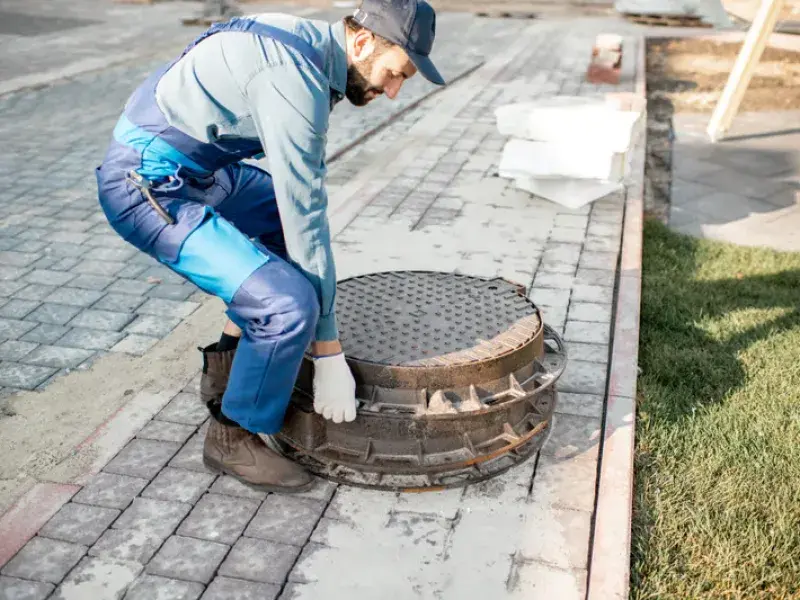
Water Hammer in Emergency Plumber—Melbourne

Water Hammer is a plumbing phenomenon that occurs when water flowing through pipes is suddenly stopped or changes direction. This abrupt change creates a pressure wave, similar to a shockwave, that travels through the plumbing system. The force of this wave can cause pipes to shake, rattle. Or even bang loudly against walls or other structures. While the noise is the most noticeable symptom, the real concern is the potential damage to pipes, joints. And fixtures over time.

Related glossary terms: Pressure Reducing Valve, Shutoff Valve, Copper Pipe.

Water Hammer is most common in residential and commercial plumbing systems where valves, such as those in washing machines or dishwashers, close quickly. It can also occur in systems with high water pressure or poorly secured pipes. Understanding the causes and effects of Water Hammer is the first step in preventing long-term damage to your plumbing infrastructure.

How Water Hammer Works?

When water flows through pipes, it carries momentum. If the flow is suddenly stopped—such as when a valve closes quickly—the momentum of the water is transferred into the pipes, creating a pressure surge. This surge travels back through the plumbing system at high speed, causing the pipes to vibrate or bang. The louder the noise, the more forceful the pressure surge, which increases the risk of damage to the system.

Several factors can worsen Water Hammer. High water pressure, for example, means the water has more momentum, leading to a stronger surge when stopped. Loose pipes can also amplify the noise and vibration, as they're free to move and collide with walls or other pipes. In some cases, the pressure surge can be strong enough to damage pipe joints, valves. Or even appliances connected to the plumbing system.

Why Water Hammer Matters?

While Water Hammer may seem like just a noisy inconvenience, it can cause serious damage if left unaddressed. The repeated pressure surges can weaken pipe joints, leading to leaks or even burst pipes over time. Fixtures like faucets, showerheads. And appliances like washing machines or dishwashers can also suffer damage from the constant stress. In extreme cases, Water Hammer can cause pipes to break free from their supports, leading to costly repairs.

A common issue is Beyond the physical damage, Water Hammer can be a sign of underlying issues in your plumbing system. High water pressure, for example, not only contributes to Water Hammer but can also strain pipes and fixtures, reducing their lifespan. Addressing Water Hammer early can help you avoid more expensive repairs down the line and ensure your plumbing system remains safe and functional.

When Water Hammer Matters Most?

Water Hammer is most likely to occur in situations where water flow is frequently and abruptly stopped. Homes with appliances like washing machines, dishwashers. Or automatic sprinkler systems are common places where Water Hammer can develop. It can also be a problem in older plumbing systems, where pipes may not be properly secured or where water pressure is not regulated.

Certain conditions make Water Hammer more likely or more severe. For example, high water pressure increases the momentum of the water, leading to stronger surges when the flow is stopped. Loose or unsecured pipes can amplify the noise and vibration, making the problem more noticeable. And systems with fast-closing valves—such as those in modern appliances - are more prone to Water Hammer because they stop the water flow more abruptly than manual valves.

If you notice Water Hammer in your home or business, it’s important to address it promptly. While minor cases may only require simple fixes, such as securing loose pipes or installing water hammer arrestors, more severe cases may need professional attention to prevent long-term damage.
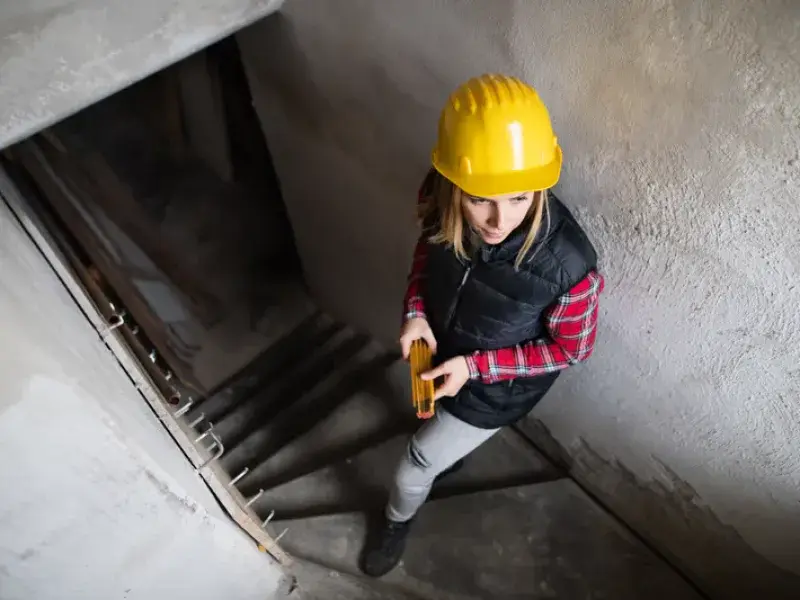

How to Evaluate Water Hammer?

Related Concepts Compared

Water Hammer vs. Water Pressure Regulator

A Water Pressure Regulator controls the overall pressure in a plumbing system to prevent damage. While Water Hammer is a specific pressure surge caused by sudden changes in water flow.

Water Hammer vs. Pipe Vibration

Pipe Vibration refers to general shaking or movement in pipes, often due to loose supports. While Water Hammer is a specific pressure surge that causes loud banging noises.

Expert Note

Water Hammer isn’t just a noise issue—it’s a warning sign of stress in your plumbing system. Even if the banging isn’t loud, repeated surges can weaken pipes and fixtures over time, leading to leaks or failures that are costly to repair.

Common Mistakes or Myths About Water Hammer

  • Assuming Water Hammer is just a noise issue and ignoring it, which can lead to pipe damage over time.
  • Tightening pipes too much to reduce noise, which can cause stress on joints and fittings.
  • Ignoring high water pressure, which worsens Water Hammer and increases the risk of leaks.
  • Using cheap or improperly installed water hammer arrestors, which may not effectively absorb the pressure surge.

Water Hammer in Practice: A Real-World Example

Imagine turning off a garden hose quickly—the sudden stop creates a jolt that travels up the hose. Now imagine that same jolt happening inside your home’s plumbing pipes every time a washing machine or dishwasher finishes its cycle. Over time, this repeated jolt can loosen joints, damage valves. And even cause pipes to crack.

Sources & Further Reading on Water Hammer

  • Plumbing Industry Commission Victoria
  • Master Plumbers Association Australia
  • National Construction Code (NCC)

Related Services

Related Terms

Pressure Reducing Valve

Pressure Reducing Valve is a mechanical device installed in plumbing systems to lower and stabilise high incoming water pressure to a safe, consistent level. Pressure Reducing Valves protect pipes, taps, appliances. And fixtures from damage caused by excessive water pressure, ensuring reliable performance and longer service life in homes and buildings.

Shutoff Valve

Shutoff Valve is a small mechanical device installed on water or gas pipes to quickly stop the flow of liquid or gas. Shutoff valves allow homeowners or plumbers to isolate a single fixture, appliance. Or section of piping without turning off the entire supply, making repairs safer and faster.

Copper Pipe

Copper Pipe is a rigid, corrosion-resistant metal tube used to carry drinking water, hot water, natural gas. And refrigerant in residential, commercial. And industrial plumbing systems. Copper Pipe is durable, easy to join with solder or compression fittings. And meets Australian plumbing standards for safety and longevity.

PEX Pipe

PEX Pipe is a flexible plastic plumbing tube made from cross-linked polyethylene. PEX Pipe resists scale, chlorine. And freezing better than copper or PVC. PEX Pipe connects with crimp rings, clamp rings. Or push fittings, eliminating soldering or glue. PEX Pipe is widely used in hot and cold water supply lines in homes and commercial buildings.

Plumbing Trap

Plumbing Trap is a curved section of pipe designed to hold a small amount of water, creating a seal that blocks sewer gases from entering buildings while allowing waste to pass through. Common types include P-traps, S-traps.

EmergencyPlumberMelbourne.au

Have Questions About Water Hammer?

Contact EmergencyPlumberMelbourne.au for practical guidance on Water Hammer and related emergency plumber work in Melbourne.

+61 468 067 166