Glossary

What is Solenoid Valve?

Solenoid Valve is an electrically controlled device that opens or closes to control the flow of liquids or gases in plumbing, heating. And industrial systems. It uses an electromagnetic coil to move a metal plunger, allowing or blocking passage without manual operation. Common in dishwashers, irrigation. And gas lines, these valves provide fast, reliable switching for automated systems.

Sources reviewed: Standards Australia AS/NZS 3666.1:2011, National Construction Code (NCC) Volume Three

Quick Facts About Solenoid Valve

Category

Electromechanical flow control

Used for

Automated shutoff in appliances and industrial pipes

Common confusion

Often mistaken for manual ball valves or float valves

Also called

Electromagnetic valve, Electric valve

Often discussed with

Emergency Water Shut Off, Gas Leak Repair

Key Takeaways About Solenoid Valve

Understanding Solenoid Valve
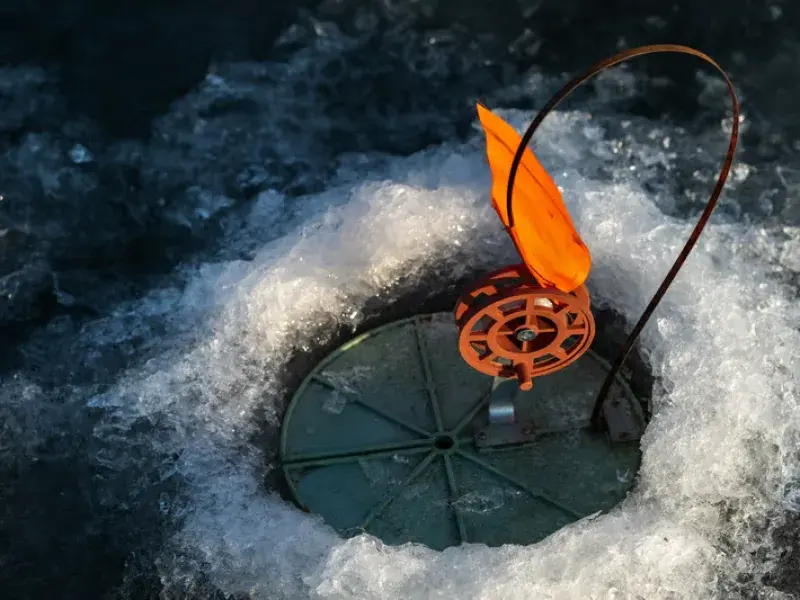
Solenoid Valve in Emergency Plumber—Melbourne

A solenoid valve uses power to control fluid flow. It has two main parts. One is a coil. The other is a metal plunger in a tube.

Related glossary terms: Ball Valve, Float Valve, Pressure Reducing Valve.

When power flows, the coil makes a magnet. The magnet pulls the plunger. This opens or closes a small port.

This lets liquids or gases pass. It can also stop them. You don’t need to turn a handle.

Valves come in different types. Some stay closed until powered. Others stay open until powered.

Some have two ports. Others have three or more. They can redirect flow between pipes.

The material depends on the job. Brass, steel. Or plastic are common. They handle hot or corrosive fluids.

These valves work alone. They save energy. They stop leaks. They keep systems running well.

How Solenoid Valve Works?

The valve works with magnets. Power goes to the coil. It makes a magnetic field.

The field pulls the plunger. A spring or gravity helps. This opens the valve.

Fluid can flow now. When power cuts, the field stops. The spring closes the valve again.

This happens very fast. It takes less than a second. That’s why it’s good for quick jobs.

Valves need the right power. Most use 12V, 24V. Or 240V. They can use AC or DC power.

They need clean fluid too. Dirt or debris can jam the valve. It can also wear out seals.

Some valves have filters. They catch dirt. This keeps the valve working.

Plumbers check the coil. They use a tool called a multimeter. It measures resistance.

The reading should match the manual. If it’s wrong, the coil may be bad.

Many valves have safety features. Gas valves close if power fails. This stops leaks.

Water valves may stay open. This keeps crops from drying. It helps during power cuts.

These features stop accidents. They protect equipment too.

Why Solenoid Valve Matters?

Solenoid valves help in many systems. They work in plumbing and heating. You don’t see them. But they matter.

They help machines like washers. They fill and drain water. This stops overflows and waste.

In furnaces, they control gas. This keeps heaters safe. They make sure fuel burns right.

Without them, systems need hands-on work. That can cause mistakes. It can also cause failures.

They last a long time. They have few parts. That means less to break.

They save energy too. They turn off flow when not needed. This cuts utility bills.

It also helps the planet.

When Solenoid Valve Matters Most?

Valves help in emergencies. If a pipe breaks, they can shut off water. This stops flooding.

In gas lines, they act fast. They close during earthquakes. They also close if gas leaks.

Plumbers use them in kitchens. They use them in factories too. They help meet safety rules.

Not all valves fit all systems. They must match power, size. And pressure. The fluid type matters too.

Wrong valves cause problems. They can leak or fail. They may work too slow.

In Melbourne, water is hard. Valves with filters help. They stop scale from jamming the plunger.

Testing and cleaning help. They keep valves working. This is key for systems that run all day.

Valves help meet local codes. The National Construction Code has rules. So do Australian Standards.

Some areas need automatic shutoffs. This includes gas lines. It also includes fire systems.

Approved valves avoid fines. They also avoid insurance issues.

If a valve fails, call a plumber. They can replace it fast. This keeps systems safe and working.
How to Evaluate Solenoid Valve?

Related Concepts Compared

Solenoid Valve vs. Ball Valve

Ball valves use a manual handle to turn a ball inside the pipe. While solenoid valves use electricity to move a plunger automatically.

Solenoid Valve vs. Float Valve

Float valves open or close based on water level using a floating arm. While solenoid valves respond to electrical signals.

Solenoid Valve vs. Pressure Reducing Valve

Pressure reducing valves maintain steady downstream pressure. While solenoid valves simply turn flow on or off.

Expert Note

Always depressurise the system before testing or replacing a solenoid valve. A stuck plunger under pressure can release fluid suddenly, creating a safety hazard.

Common Mistakes or Myths About Solenoid Valve

  • Using a 240V valve on a 12V system, which either won’t work or will burn out the coil.
  • Installing a normally closed valve where a normally open valve is needed, causing unexpected shutdowns.
  • Ignoring fluid compatibility, leading to corrosion or seal damage over time.
  • Not accounting for pressure differential; some valves need a minimum pressure to open properly.
  • Overlooking voltage polarity on DC valves, which can prevent them from operating.

Solenoid Valve in Practice: A Real-World Example

In a Melbourne café, the espresso machine uses a solenoid valve to control hot water flow. When the barista starts a shot, electricity opens the valve, allowing water to pass through the coffee grounds. Once the shot finishes, the valve closes automatically, preventing water waste and ensuring consistent brewing.

Sources & Further Reading on Solenoid Valve

Related Services

Related Terms

Ball Valve

Ball Valve is a mechanical device that controls the flow of liquids or gases in a pipe using a hollow, perforated ball that rotates inside the valve body. When the ball’s hole aligns with the pipe, flow passes; when turned 90 degrees, the solid side of the ball blocks the pipe completely, stopping flow quickly and reliably.

Float Valve

Float Valve is a mechanical device that automatically controls the flow of water in a tank or cistern by using a buoyant ball or float attached to a lever. When the water level rises, the float lifts and closes the valve, stopping inflow; when the level drops, the float lowers and opens the valve, allowing water to refill.

Pressure Reducing Valve

Pressure Reducing Valve is a mechanical device installed in plumbing systems to lower and stabilise high incoming water pressure to a safe, consistent level. Pressure Reducing Valves protect pipes, taps, appliances. And fixtures from damage caused by excessive water pressure, ensuring reliable performance and longer service life in homes and buildings.

Shutoff Valve

Shutoff Valve is a small mechanical device installed on water or gas pipes to quickly stop the flow of liquid or gas. Shutoff valves allow homeowners or plumbers to isolate a single fixture, appliance. Or section of piping without turning off the entire supply, making repairs safer and faster.

Water Hammer

Water Hammer is a loud banging or knocking noise that occurs in plumbing pipes when moving water is suddenly forced to stop or change direction. This sudden stop creates a pressure surge. Or shockwave, that travels through the pipes, causing them to vibrate and produce the characteristic hammering sound. Water Hammer can damage pipes, joints. And fixtures over time if not addressed.

EmergencyPlumberMelbourne.au

Have Questions About Solenoid Valve?

Contact EmergencyPlumberMelbourne.au for practical guidance on Solenoid Valve and related emergency plumber work in Melbourne.

+61 468 067 166